YF 2186: The Vision
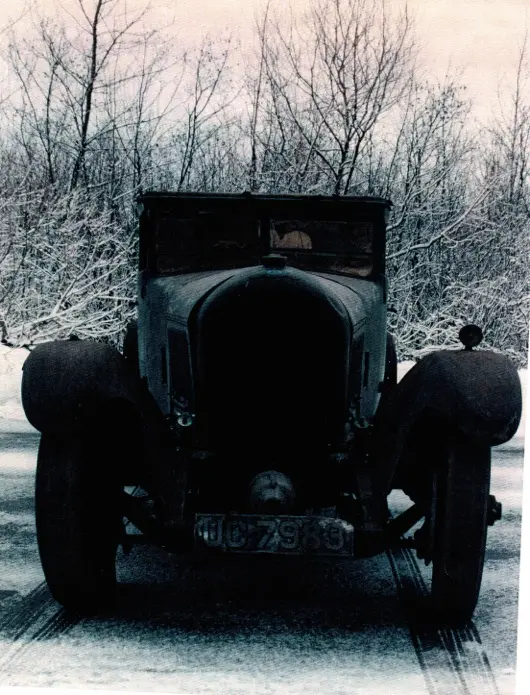
The present YF2186 was born from a collaboration between its owner, Anthony Thompson, and renowned Vintage Bentley restorer David Ayre. Anthony brought the idea; David brought the engineering experience and ingenuity needed to turn it into reality.
From the outset, the mission was clear: to create a true Big Bentley. One that was beautiful and purposeful; capable of devouring long-distance tours with ease while delivering the sheer joy of driving every time you took the wheel.
The vision demanded a two-door coupé, with details inspired by Bentley's Le Mans heritage and by BX2411's own history as a Le Mans Replica.
The Restoration Team
A project like this demands more than skill. It demands people who truly understand the art of restoration. People who can see the road ahead, steer you through the tricky moments, and spot the pitfalls before you tumble into them. This was no easy rebuild, but with the right team, the impossible became achievable.
At the helm of the engineering and build was David Ayre, who understood exactly what we were trying to achieve from day one. That alone was invaluable, but what mattered even more was his unmatched engineering genius. Nothing was ever “too difficult” for David. Time and again, he turned obstacles into breakthroughs, and what he accomplished borders on miraculous. Thanks to him, YF 2186 isn’t just beautiful to look at; it drives every bit as brilliantly as it looks. His reputation for restoring great cars is richly deserved, and my gratitude for his effort, especially when the road got rough, is endless.
Graham Moss was another cornerstone of the project. Not only did he supply countless essential parts, but he also brought the car’s interior back to life, finished the roof and trunk in Rexine, and assembled the stunning tool set. His craftsmanship and keen understanding of our vision made him the perfect partner.
Others played vital roles under David’s guidance:
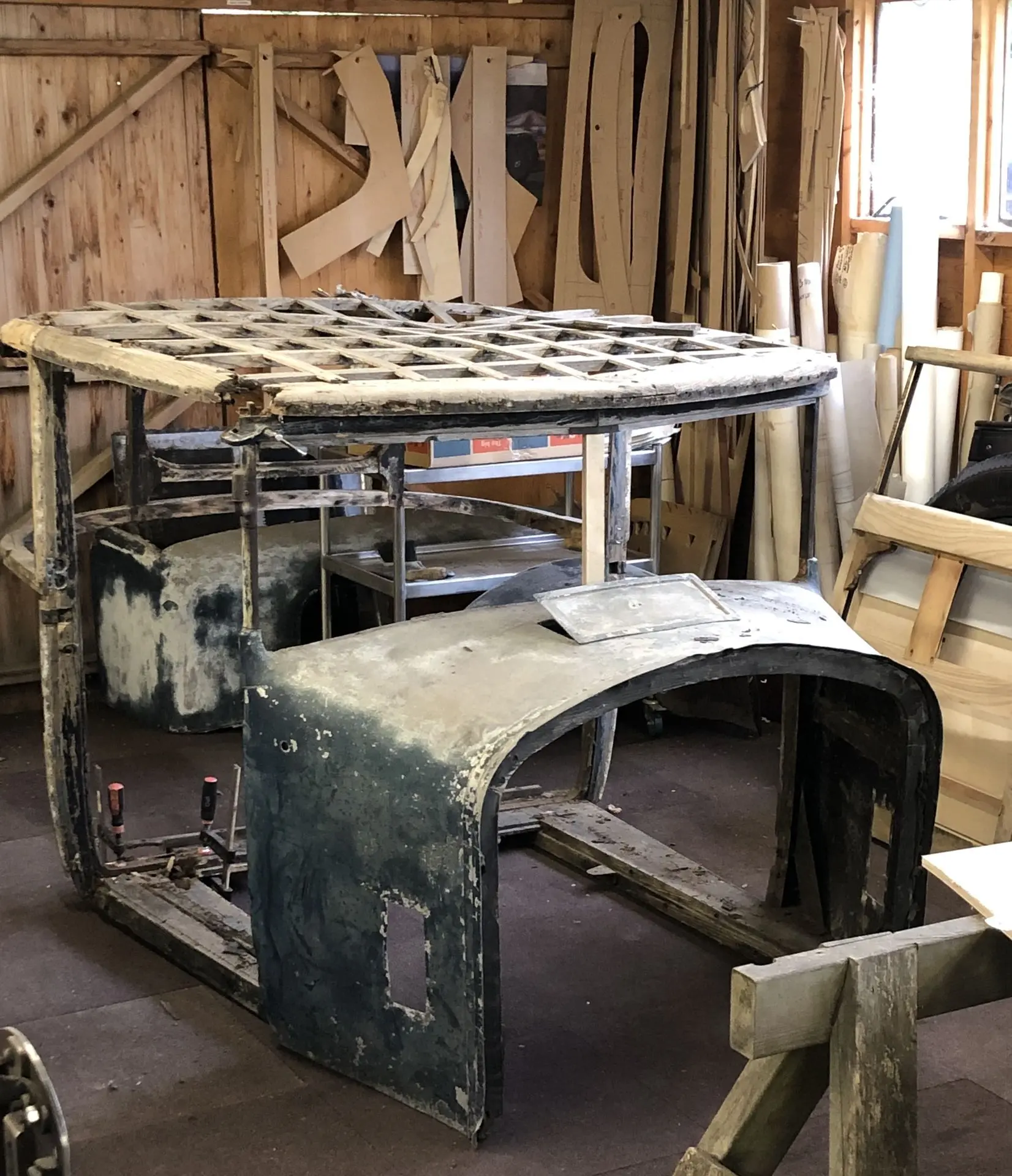
- Robert Dean, Robert Dean, who undertook the intricate ash-frame work and structural reconstruction of the Harrison body
- Gary Fowler, whose metal fabrication skills restored strength and precision
- Sean Watson, who prepared the body and delivered the paintwork
Without the dedication of this entire team, YF 2186 would still be a Bentley Le Mans Replica. Instead, it stands today as a car reborn. Proof of what passion, skill, and collaboration can achieve.
To each of them: thank you.
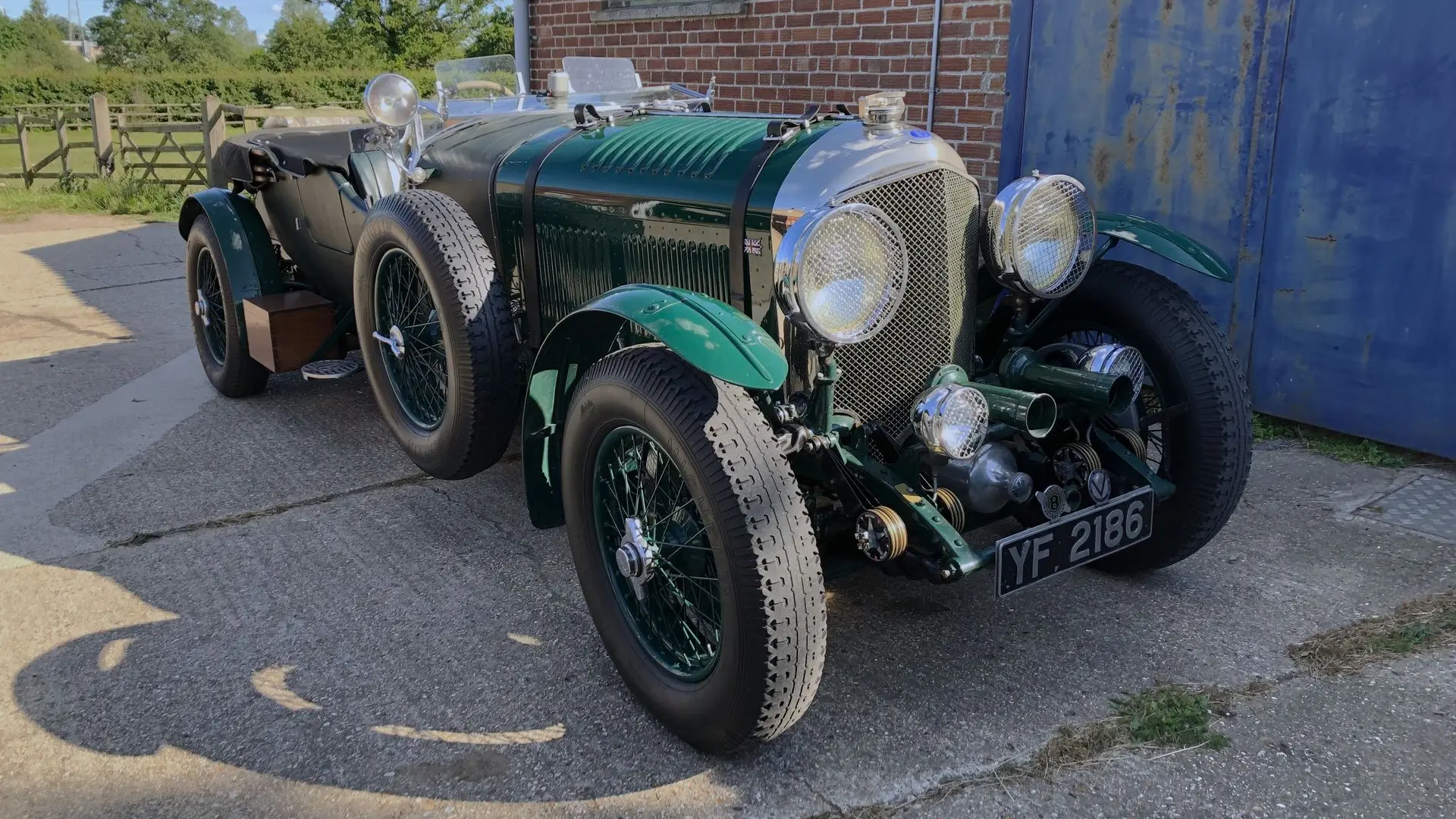
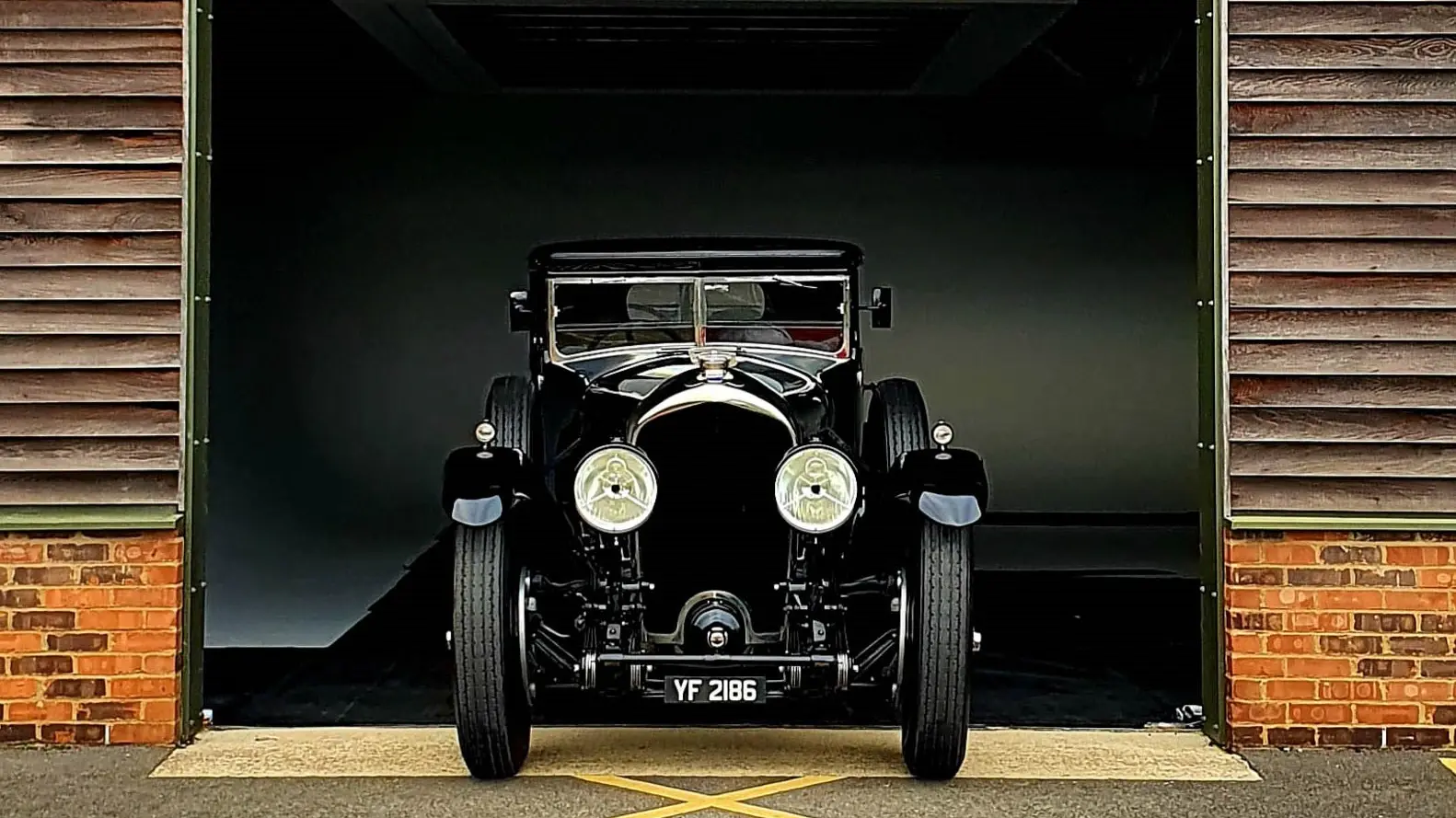
How we planned the project
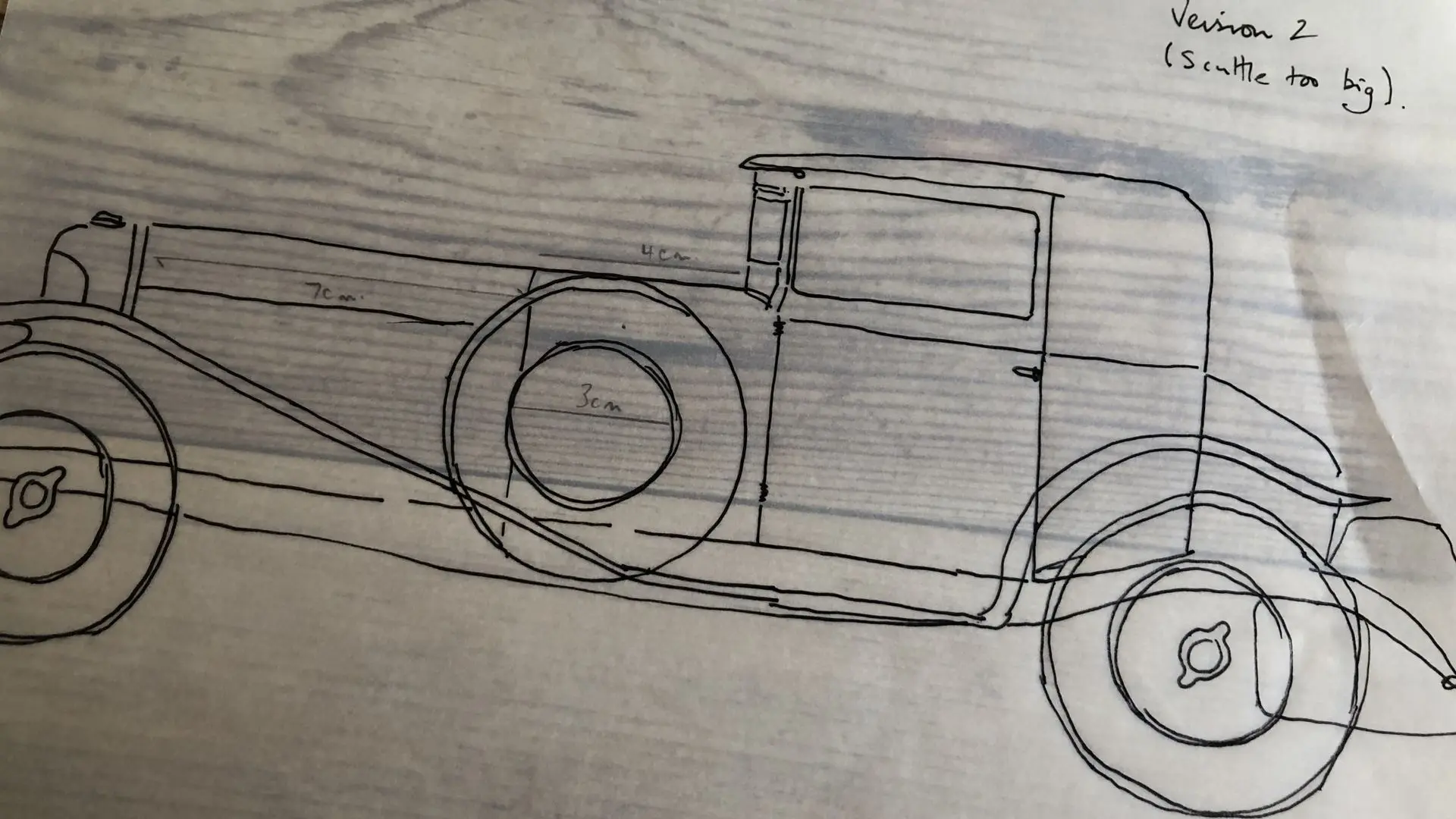
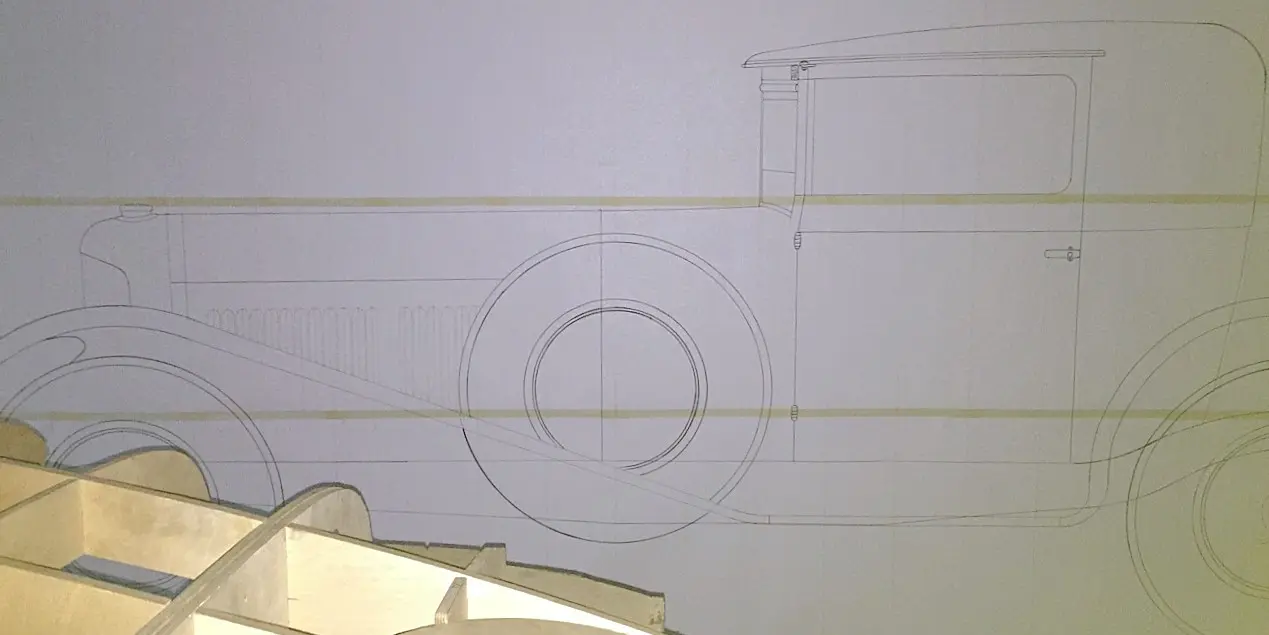
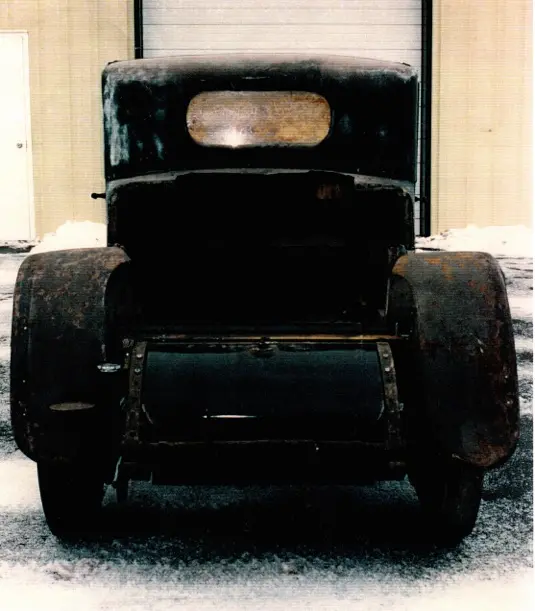
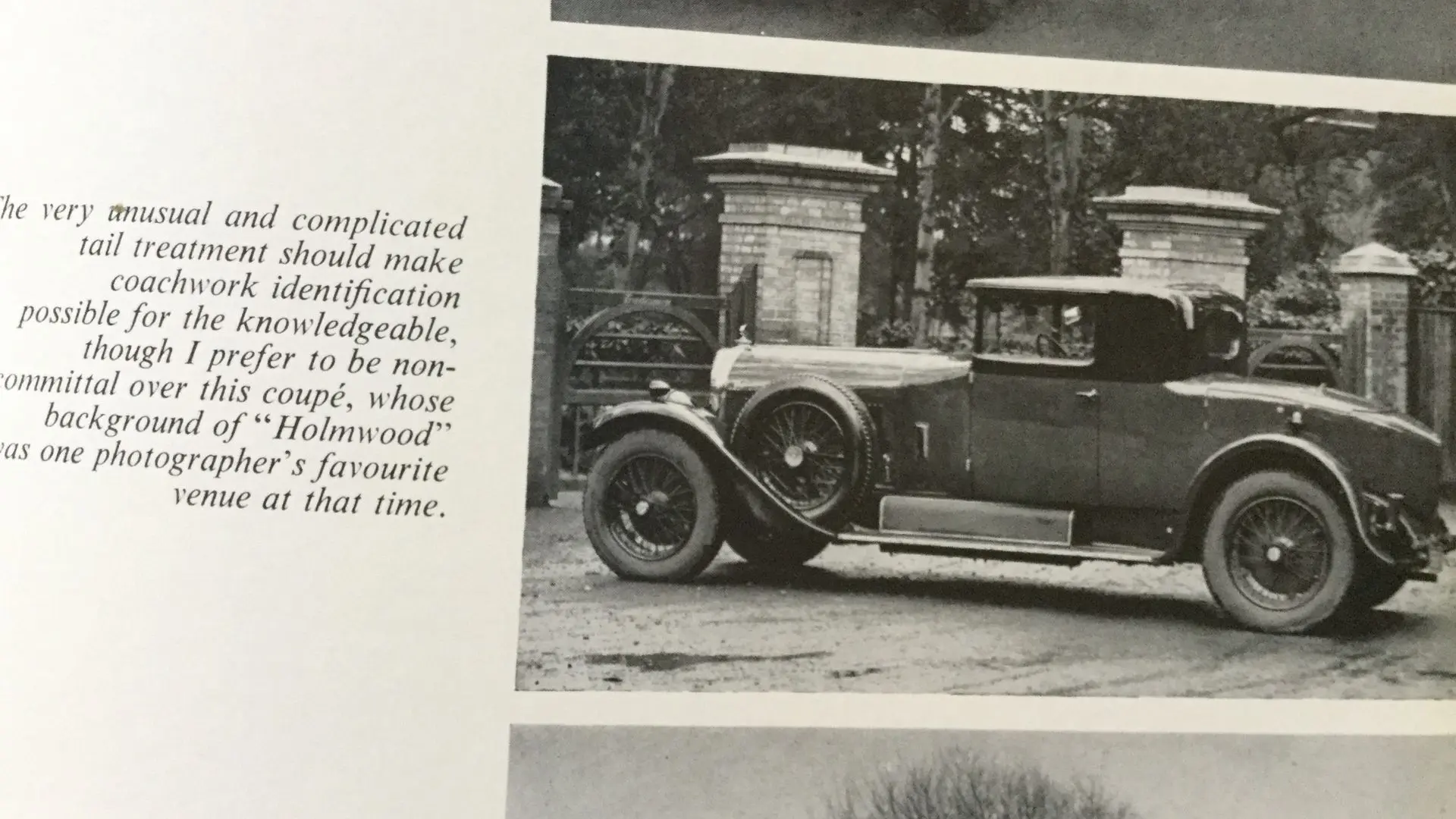
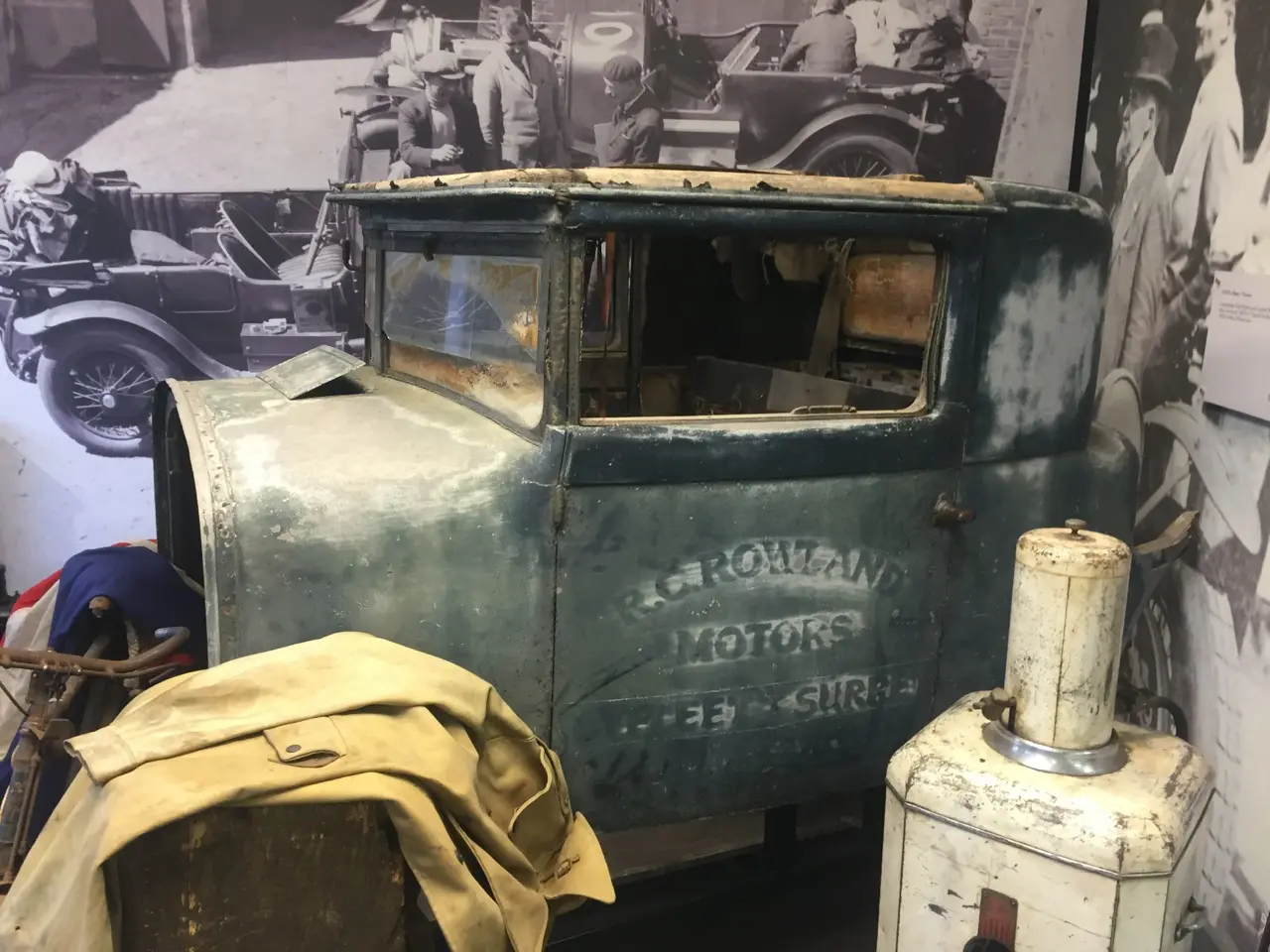
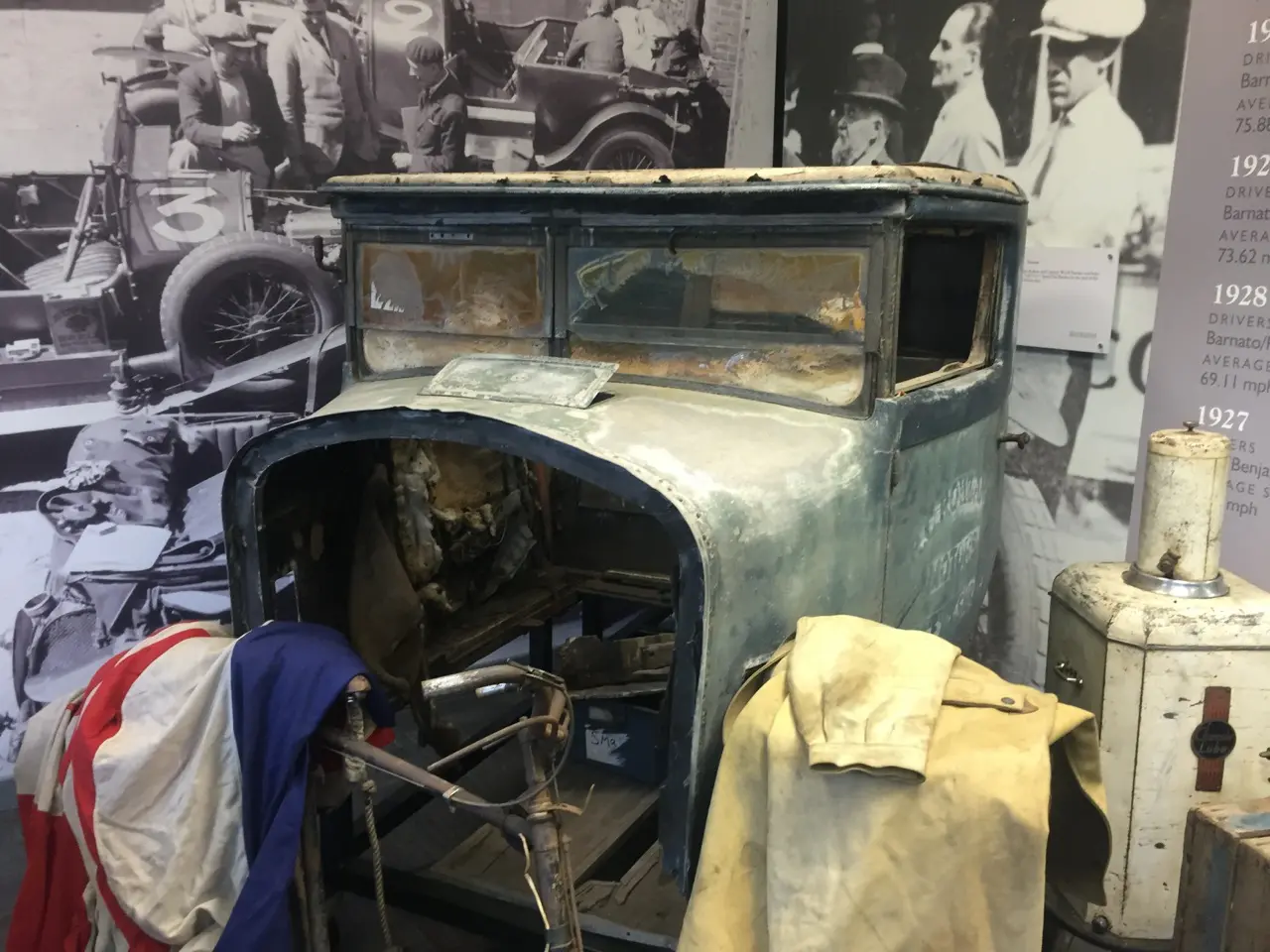
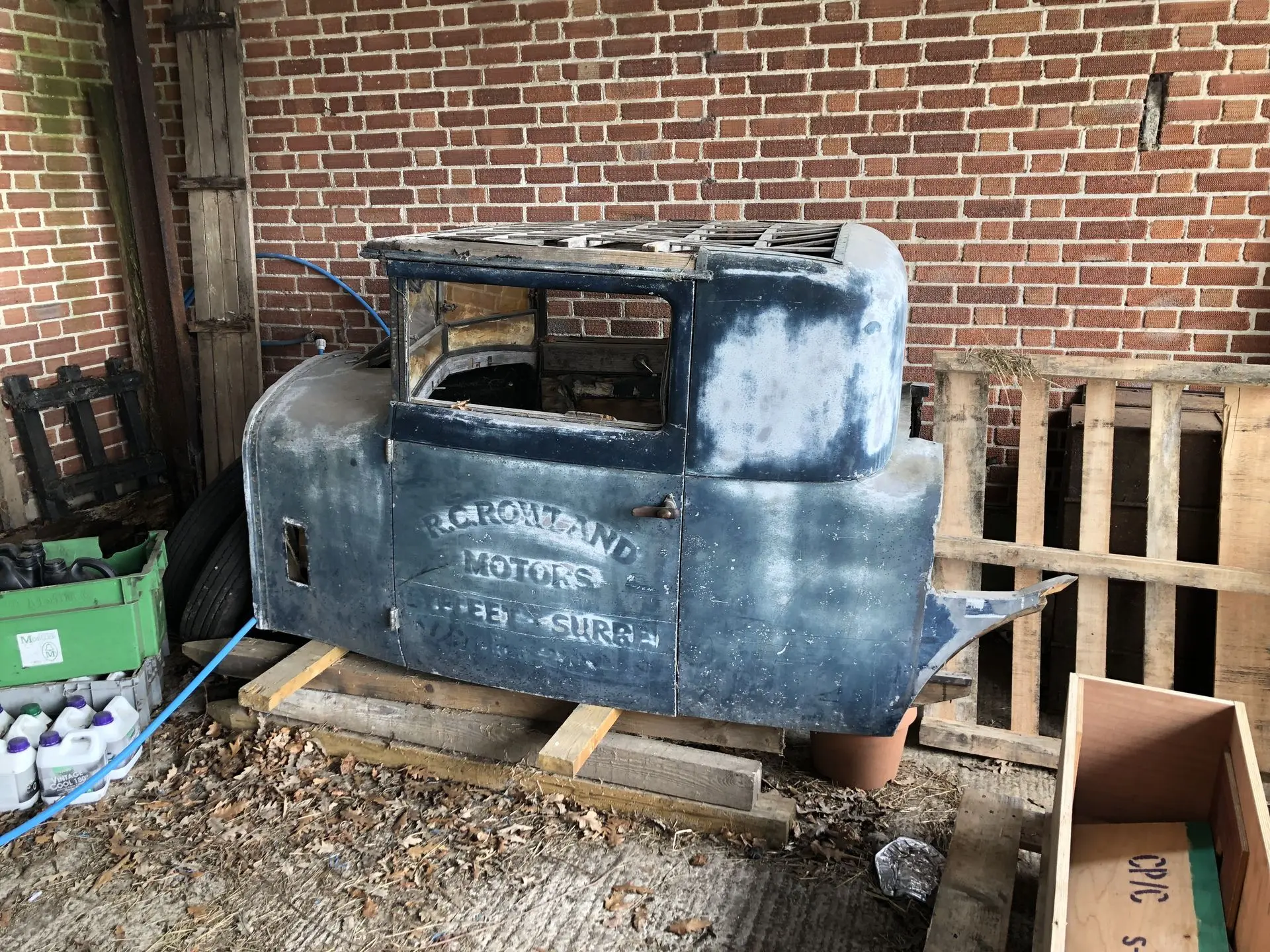
It all began with the outline of a two-door coupé. A shape that whispered of elegance and speed. But as with all great journeys, the vision was never as straightforward as a silhouette. I had been penning ideas based on the two door Harrison body I had previously seen hanging around in William Medcalf's showroom. Ultimately it would be this body that became the starting point for YF2186's dramatic style.
We found ourselves asking questions that carried us deeper into the project. Could we bring back to life a surviving period Harrison body whose original rear treatment had long since been lost, and at the same time reimagine it as a coupé of real presence? Could we design and build a new rear end so faithful, so honest to the car’s spirit, that it might have rolled out of the factory in 1927?
And then there was the challenge of character. The Le Mans cars were our inspiration: their vast fuel tanks, their roaring engines, their exhilarating handling. The big question was, 'what if we could channel that essence into our Bentley?' Not just a Bentley to admire, but one to drive hard, far and fast. The sort of car we imagined the Bentley Boys might have wanted to drive to the European circuits.
One thing was certain, whatever we built had to work. Not just in the workshop, but on the open road. It had to be dependable and strong. Capable of devouring mile after mile without faltering.
There was another principle behind the project: where we changed something, we wanted the result to remain grounded in Bentley precedent. When the decision was made to shorten the chassis, Anthony was adamant that we should not simply choose a wheelbase because it looked right. It had to correspond to an original Bentley dimension. After discussion with David Ayre, BX2411 was therefore shortened to a wheelbase of 10 ft 10 in.
That approach became characteristic of the whole project. This was never intended to be a recreation of a particular factory car, but neither did we want to invent something Bentley might never have contemplated. The aim was to work within the engineering language and proportions of the period while creating something individual.
The path we chose was anything but easy. It demanded research bordering on obsession. A determination to source original and appropriate period Bentley components wherever possible, no matter how difficult they were to find. A devotion to detail that bordered on the fanatical. And above all, it required craftsmanship and engineering skill of the very highest order.
Budgets were discussed, of course, but this was never a project about compromise. Every choice and every detail, had to honour authenticity. That kind of vision comes with a price, something I understood, in time, in effort, and in resources. That being said, we blew the 'budget' multiple times and not suprisingly this created tension!
And yet, at its heart, the idea was beautifully simple. To create a Bentley that was fast, comfortable and unrepeatable. A machine with the soul of the 1920s, reborn for today.

To install this Web App in your iPhone/iPad press
 and then Add to Home Screen.
