Interior Trim
Trimming the interior of YF2186
The interior of YF2186 was created by Graham Moss of R.C. Moss during the latter stages of the restoration. Graham brought enormous experience of Vintage Bentleys to the project, together with a real understanding of how a car intended for serious long-distance use needed to feel and function.
The aim was not to reproduce an interior that had previously existed in BX2411 or in the Harrison body, but to create something appropriate to the finished car: traditional in its materials and construction, sporting without being austere, and comfortable enough to spend an entire day behind the wheel.
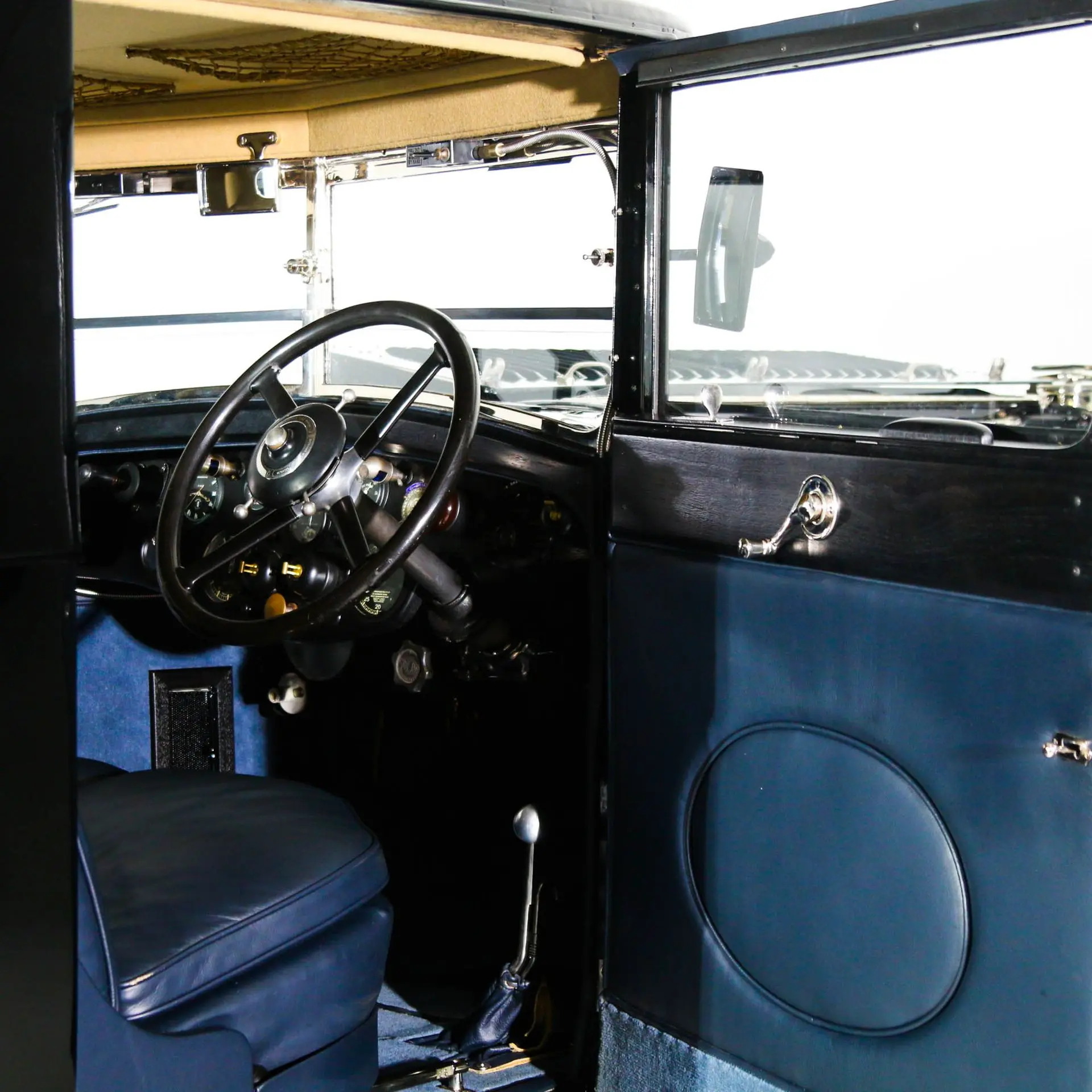
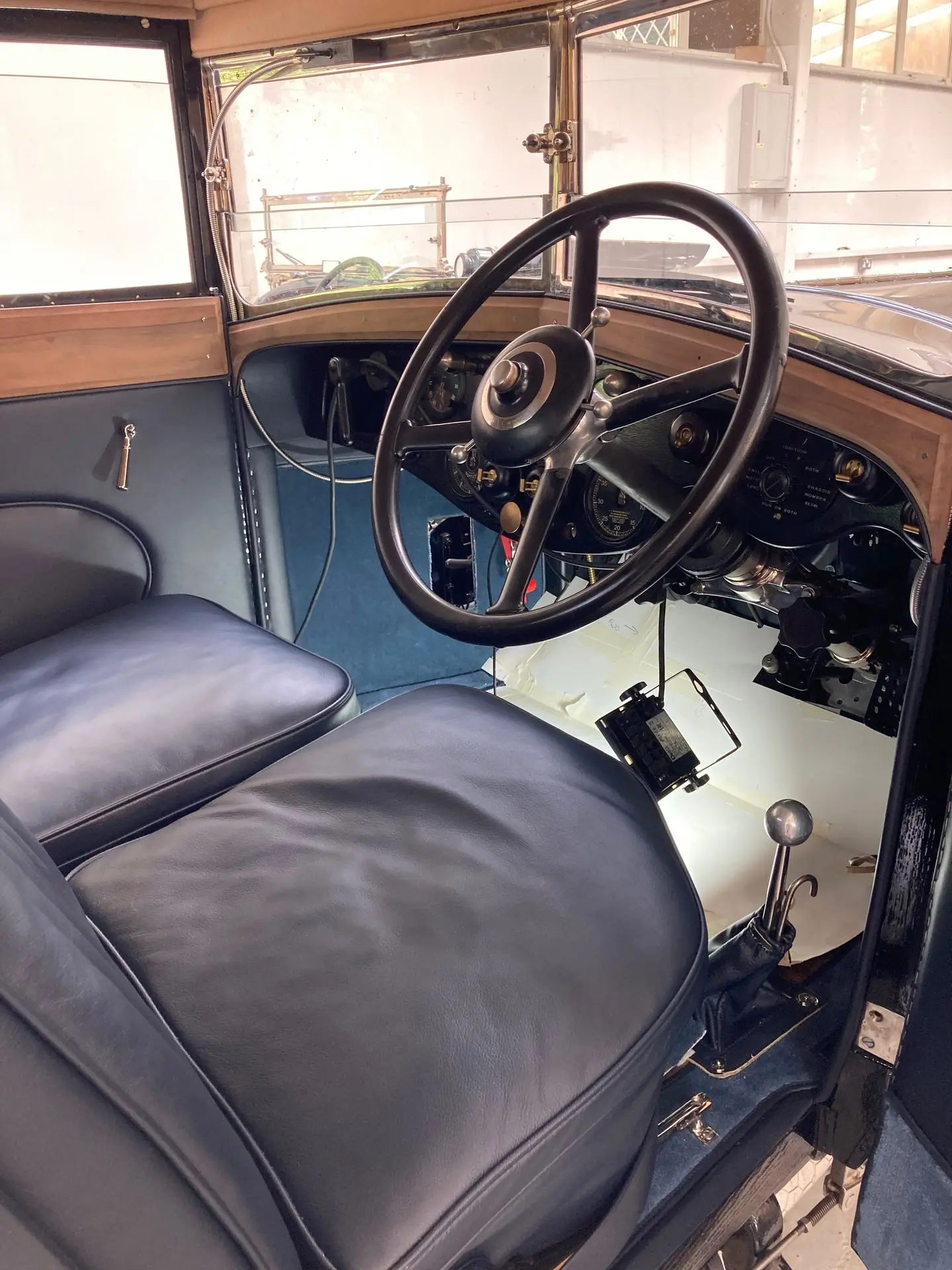
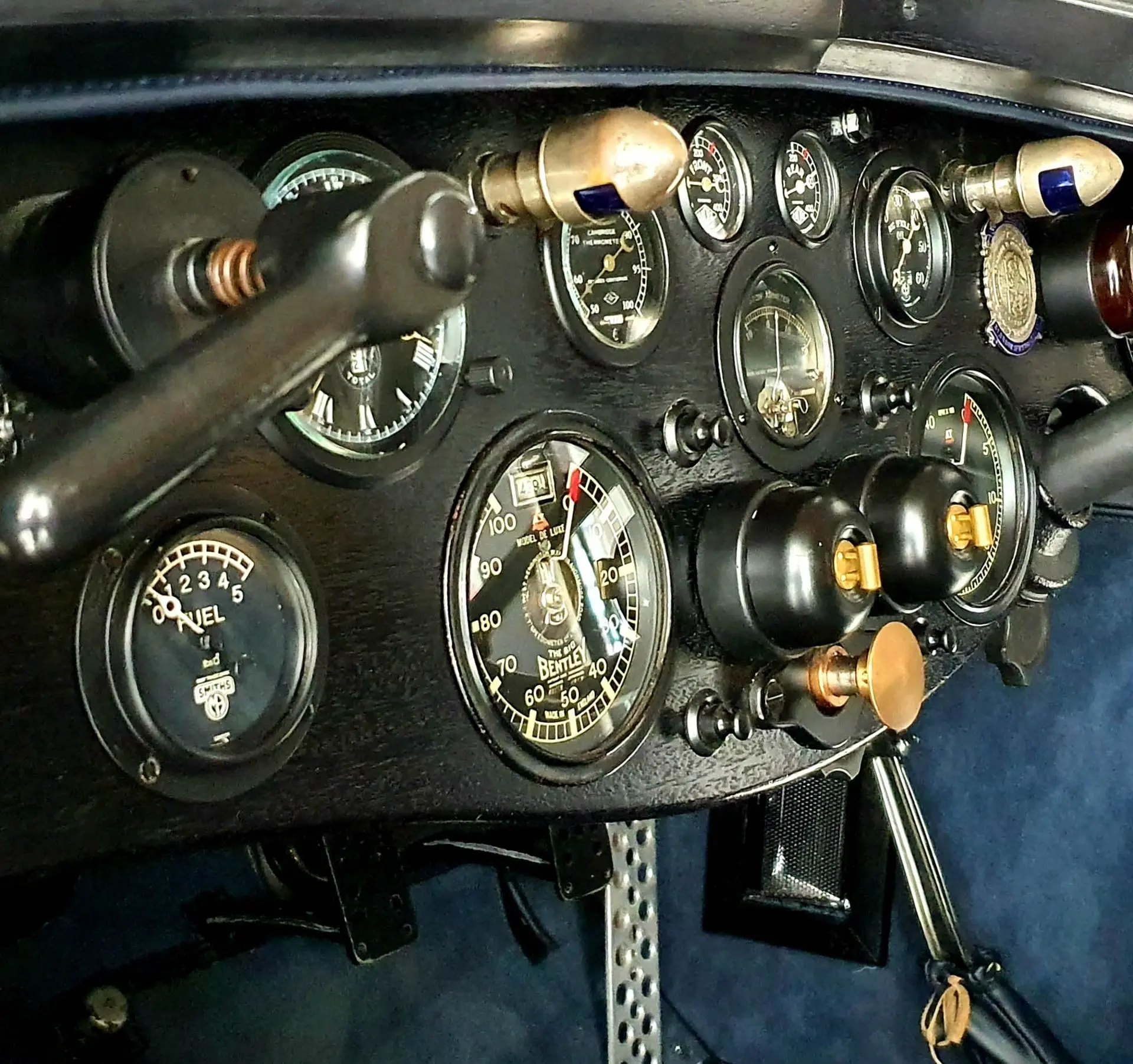
David Ayre designed the dashboard, while the instruments were sourced through a combination of David, Graham and my own efforts tracking down suitable period components. The seats, leather trim and carpets were Graham's work, executed with his customary attention to detail and understanding of how a Vintage Bentley interior should feel, function and wear over time.
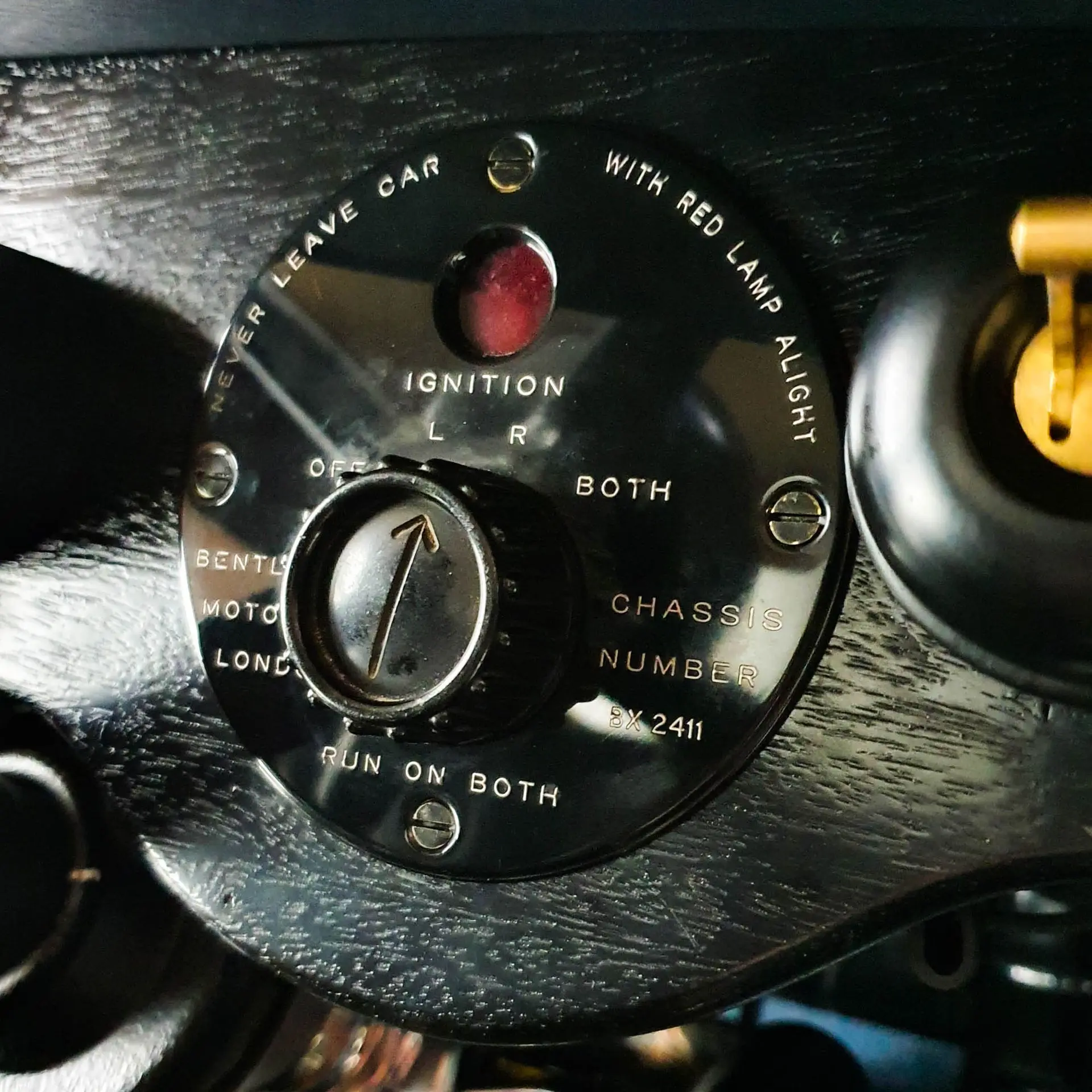
The present interior was created specifically for YF2186 during the 2019–22 reconstruction, principally by Graham Moss and his team at R.C. Moss. It is not represented as surviving Harrison trim from the 1920s. Traditional materials and construction techniques were used throughout, complemented by genuine period instruments and fittings where appropriate.
The Roof & Headlining
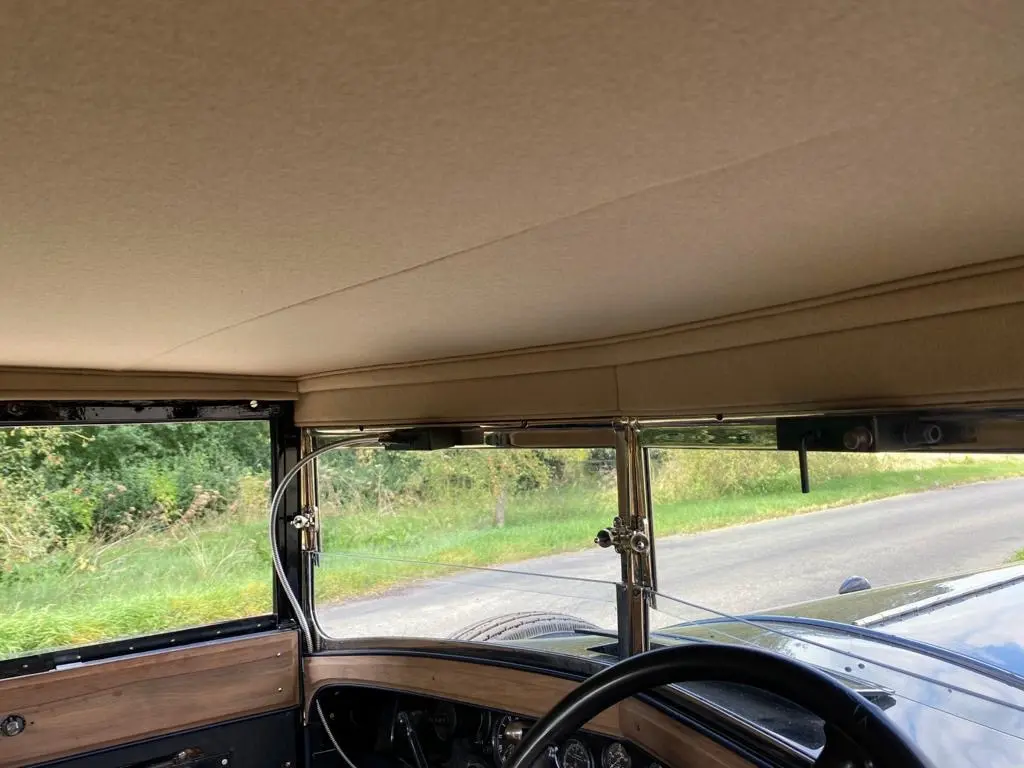
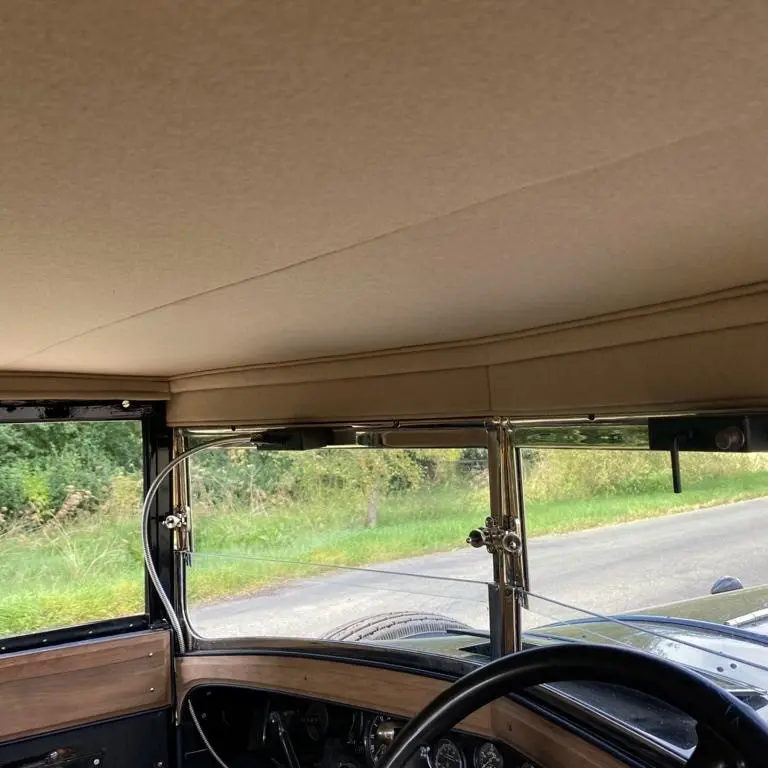
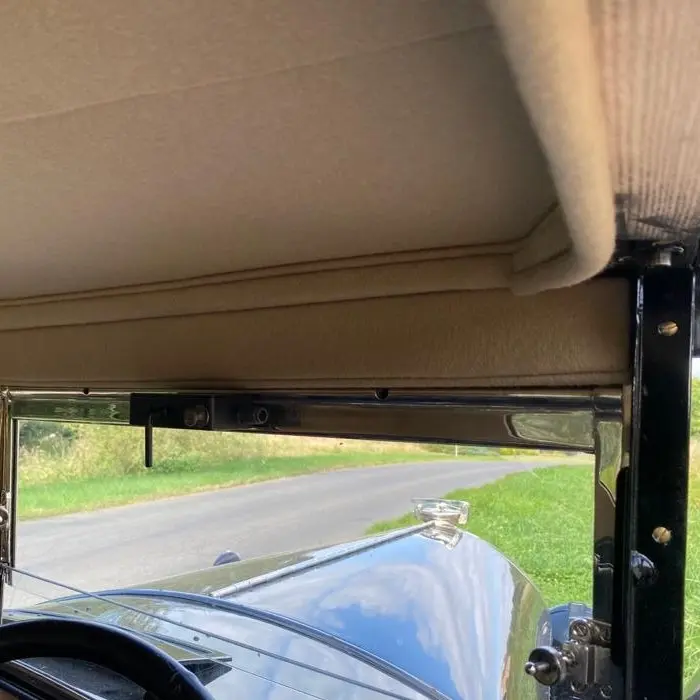
The roof was finished in Rexine with a straight-grain embossing, carefully detailed around the top of the windscreen to manage water runoff and reduce the risk of ingress. The material was pinned beneath the gutter and troughs, with a Rexine-covered moulding and seal above the screen to complete the junction.
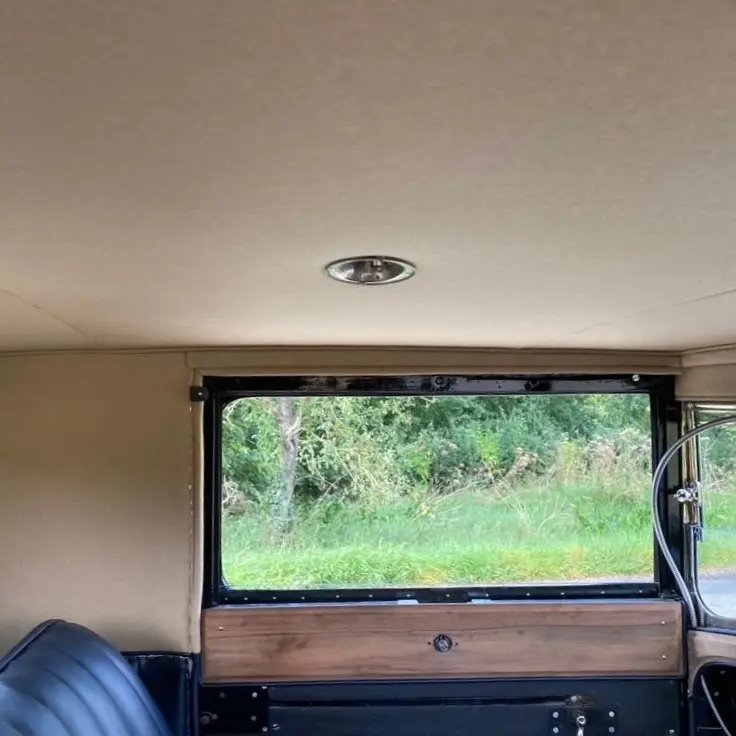
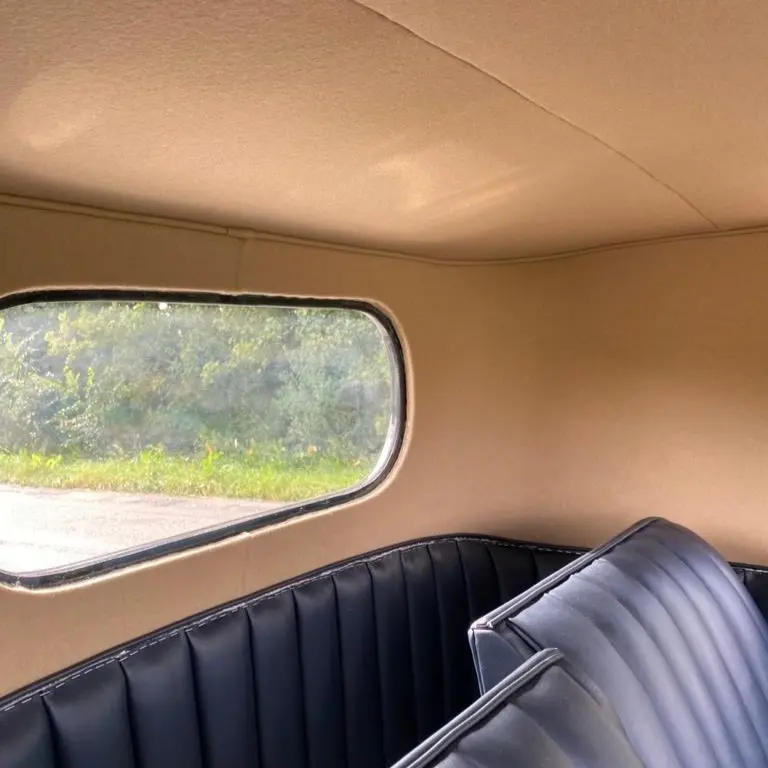
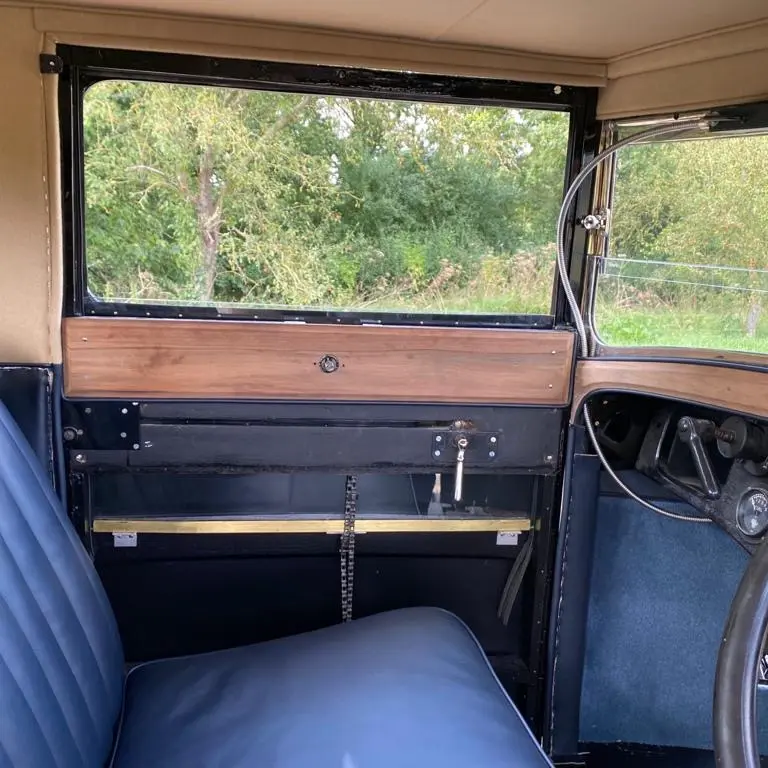
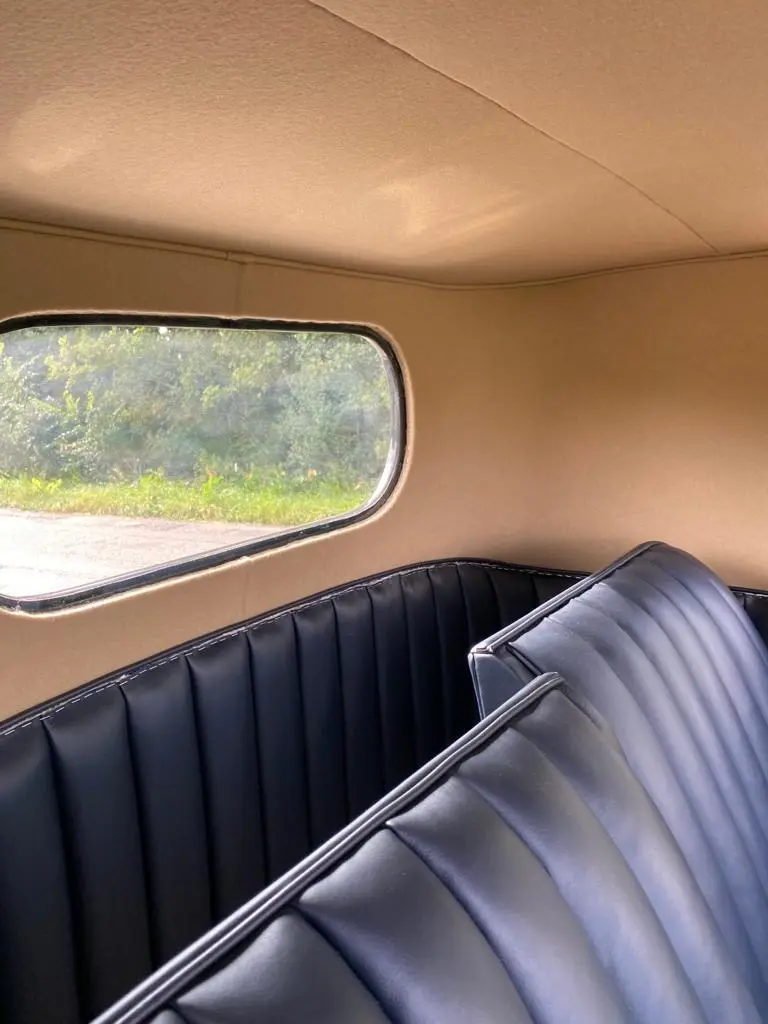
The headlining followed. The fabric is Golden Beige West of England wool headlining material. It extends rearwards using the wooden lattice roof as structure.
We also added the option of a period-style magazine net running from the front of the cabin to the second cross member, reflecting contemporary touring practice.
Carpets
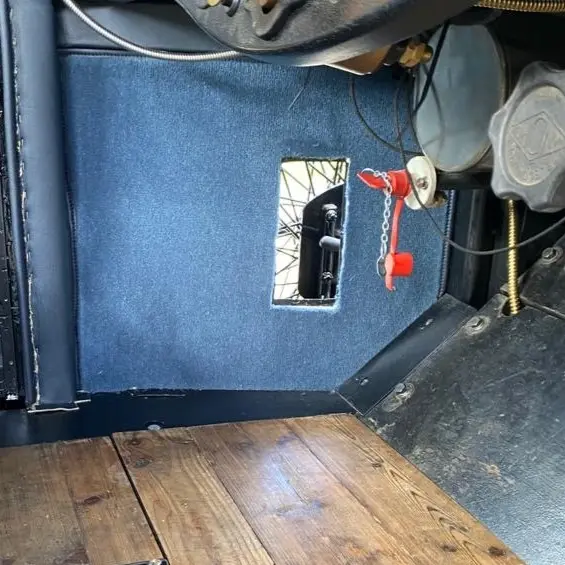
Carpets were all made from Louis De Portere carpets, a 100% wool blend found across the high-end vintage world, with careful consideration given to access and serviceability.
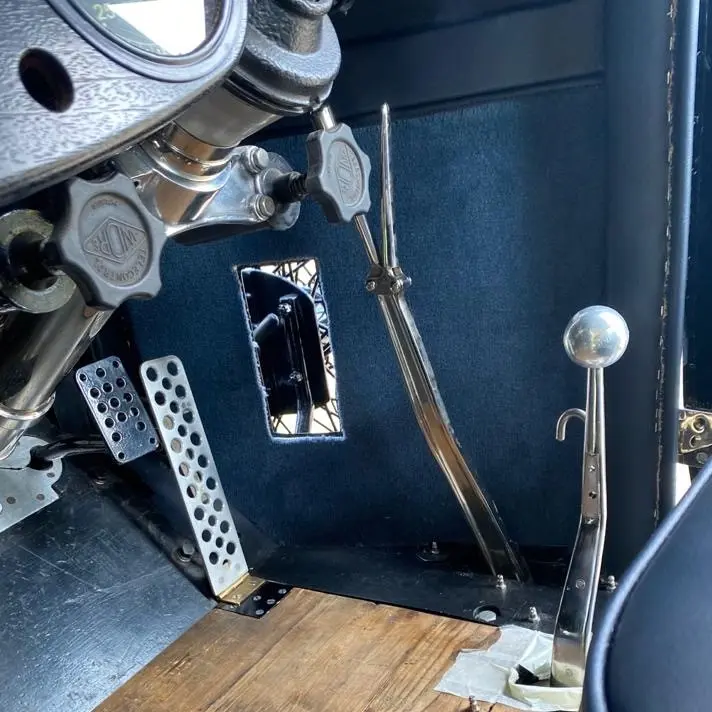
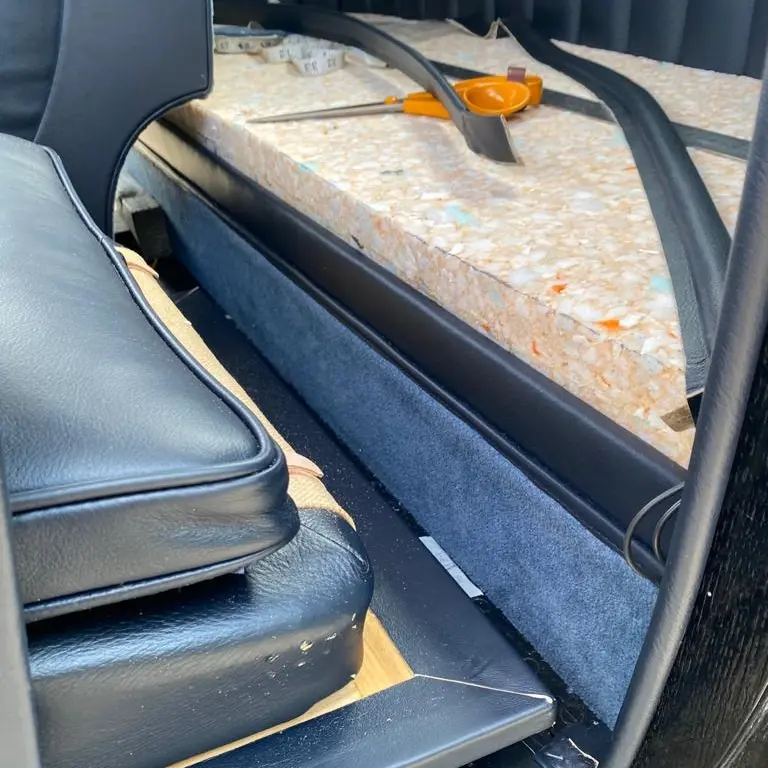
Two separate carpet sections were used on the floor: one beneath the seats, fully welted and poppered down for ease of removal, and a second to the front footwell secured with Lift-a-Dot fasteners to the toe boards. A leather overlap was incorporated so the two sections sat correctly without exposed joints.
Door panels were carpeted part way up from the base, rising to meet the rear compartment treatment along the upstand, while kick panels in the front footwell were carpeted slightly above the cross member. All carpet edges were welted, with cut edges turned to the reverse using traditional finishing methods
Door Panels
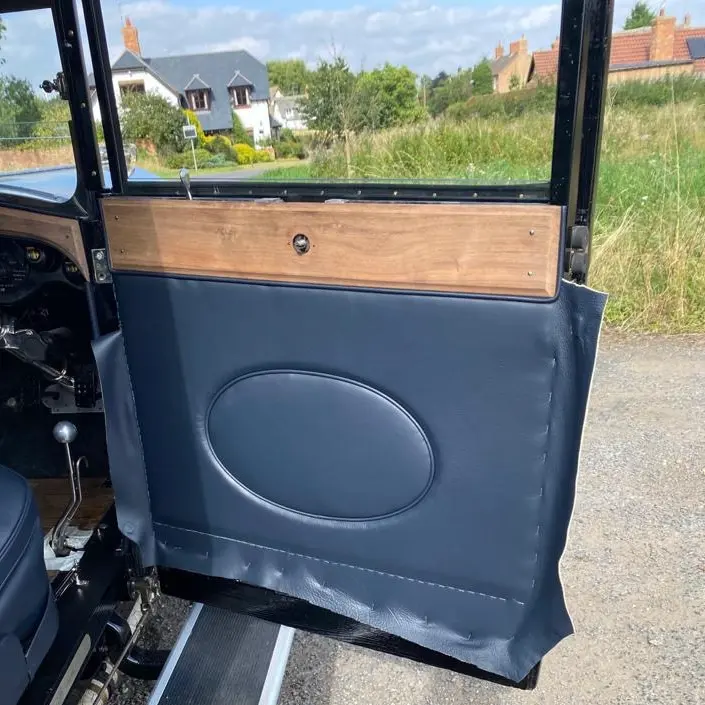
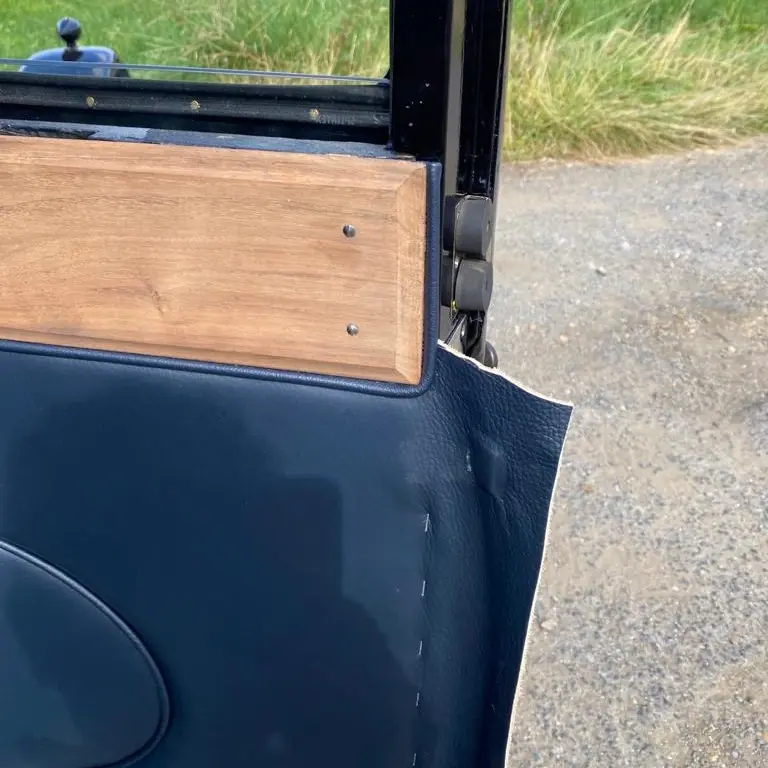
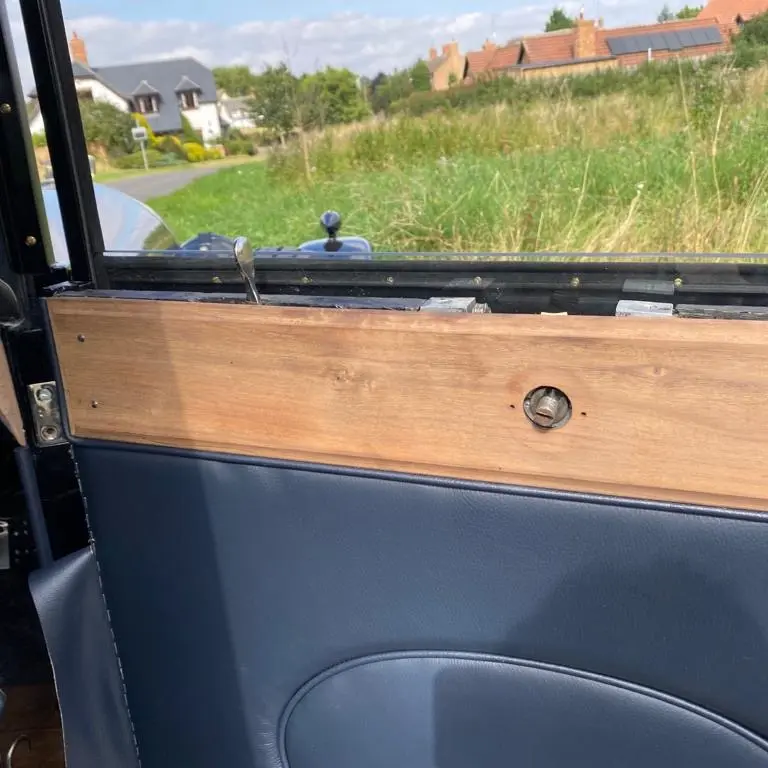
The door panels followed a proven period-inspired design previously used on my Lagonda saloon. They are beautifully simple and deliberately restrained, avoiding distraction from the dashboard, which is the centrepiece of the interior.
Interior Wood
The interior woodwork was ebonised to give the cabin the correct period character and visual depth. After careful preparation, each timber component was stripped, cleaned and stabilised before the ebonising process began.
Rather than applying an opaque black finish, the objective was to darken the wood while retaining the natural grain beneath, producing a rich, almost piano-like lustre consistent with late-1920s sporting Bentleys.
Multiple applications were required to achieve the correct tone and uniformity, followed by careful sealing and finishing to provide durability without excessive gloss. The result is a restrained, purposeful interior treatment that complements the leather trim and instrumentation without distraction.
The Seats
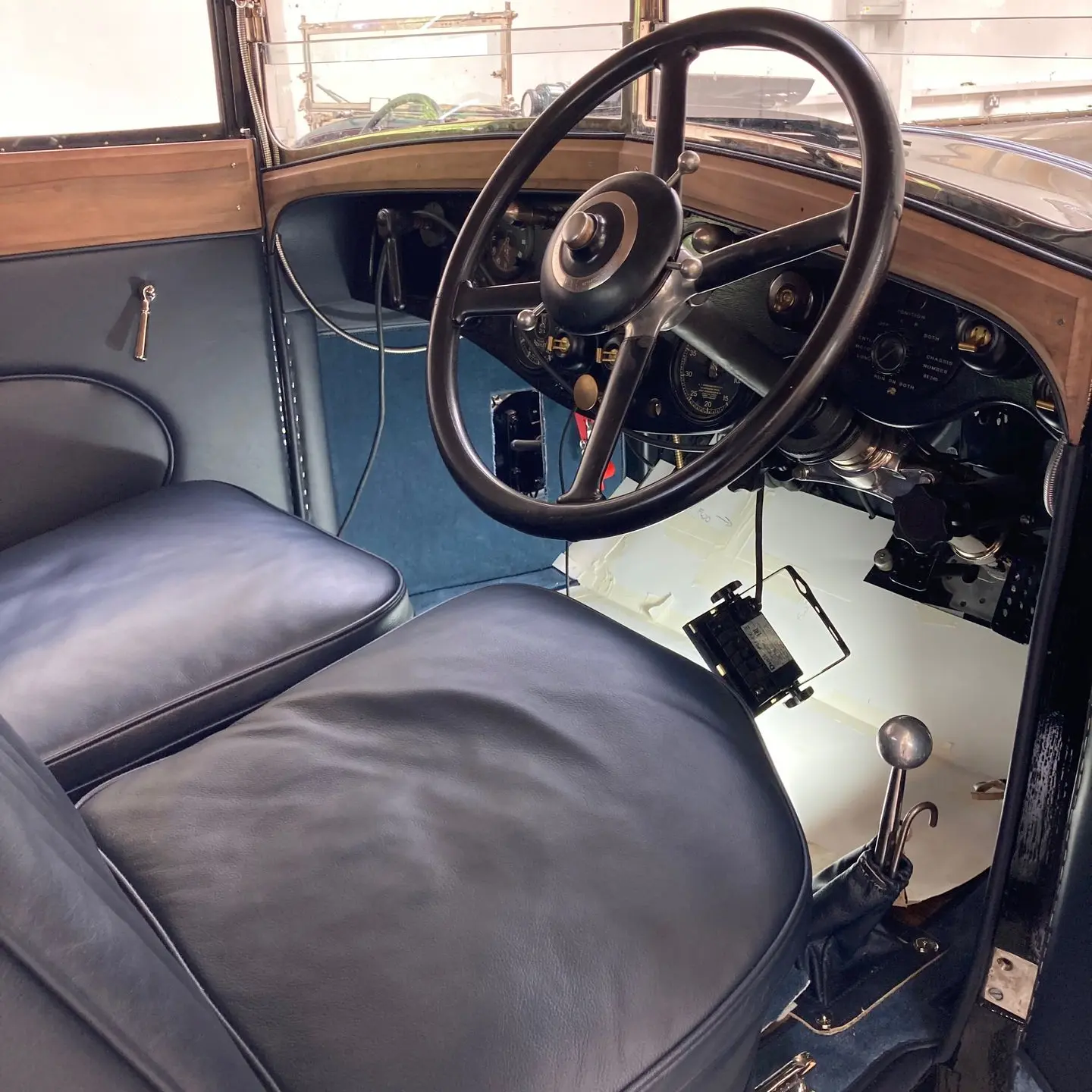
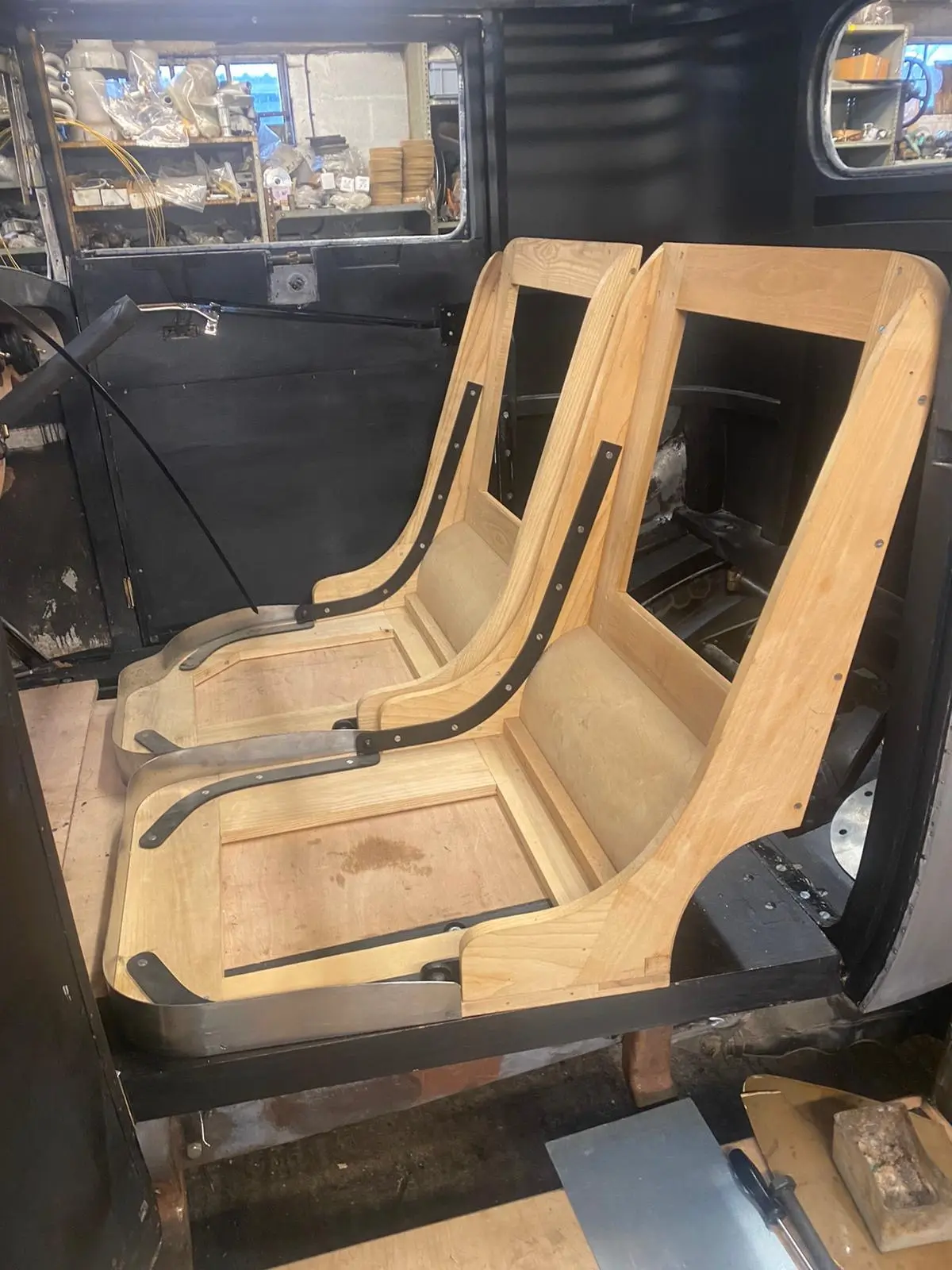
Graham Moss and his team constructed the front seats with double cone spring bases and Chine duck dulux feather cushions, Vaumol Blue smooth leather seat squabs and fluted backs. Additional double cone springs were incorporated into the seat backs to provide proper lumbar support, ensuring long-distance comfort without sacrificing authenticity.
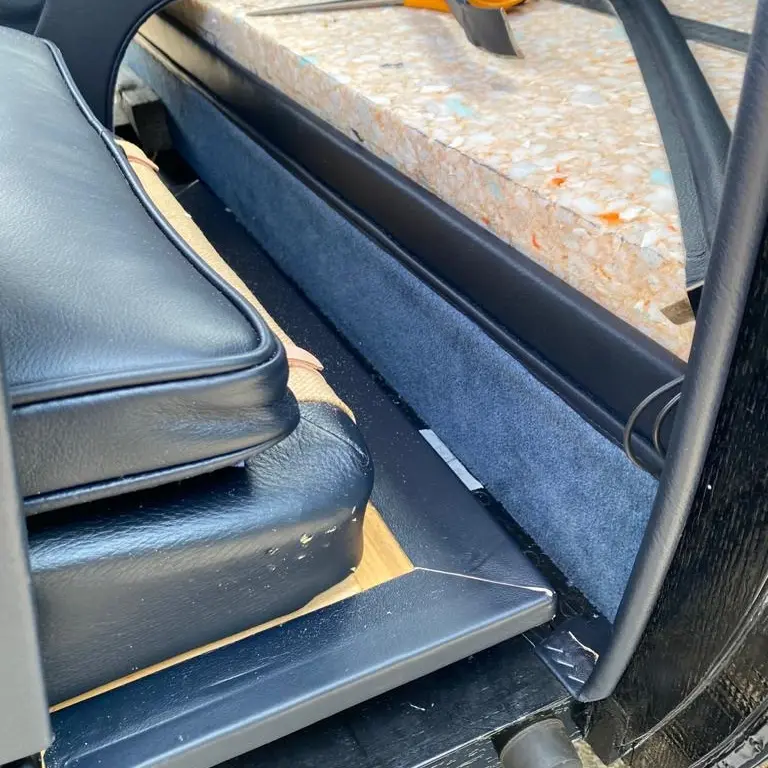
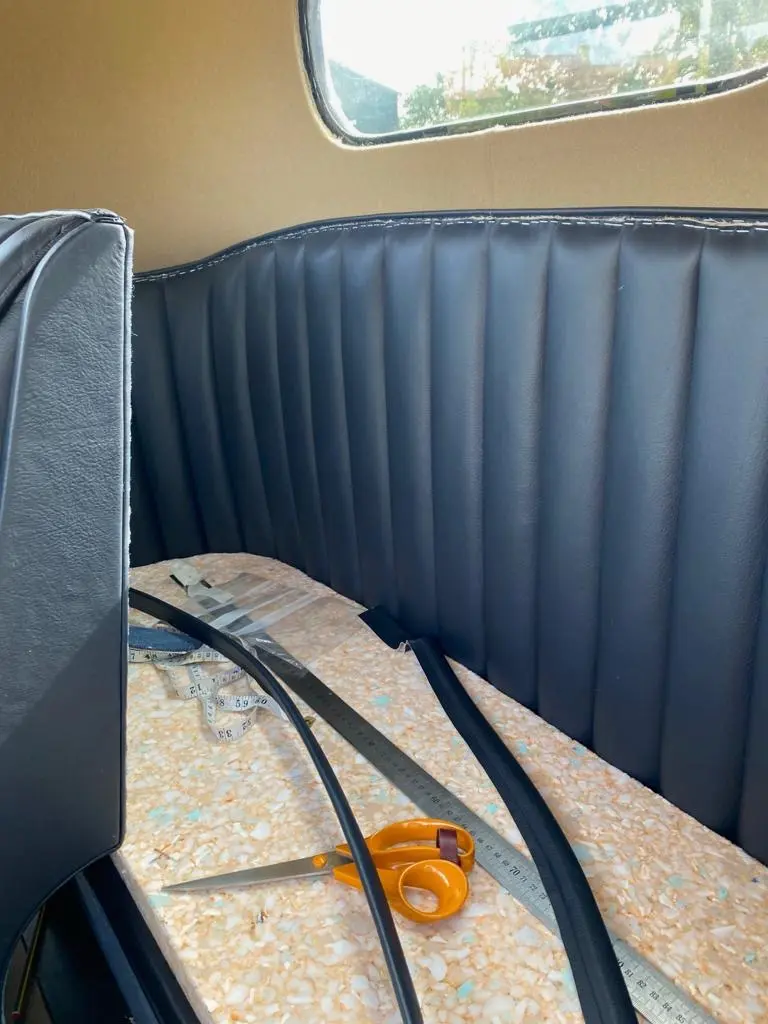
Behind the front seats, the rear compartment was revised from the original proposal after considerable discussion. Fluted leather was carried to waist height, with the headlining above. A leather-covered cushion pad was introduced to fill the space above the fuel tank upstand, with canvas used on the underside. The upstand itself was leather-clad from carpet height, wrapped neatly over the return to maintain visual continuity and durability.
The Dashboard & Instruments
I have examined many Bentley 6½ Litre Le Mans replicas over the years. YF2186 itself was configured as a Le Mans replica when I acquired it. One of the most appealing aspects of these cars is often the dashboard, with its purposeful layout and competition character. The reality, however, is that many began life as comparatively restrained saloons, and their dashboards frequently carry reproduction instruments.
From the outset, I was determined that our Le Mans Coupe Special would have a dashboard worthy of the rest of the car, and that it would carry genuine period instruments wherever possible. David Ayre designed the dashboard itself, with proportions and layout intended to evoke late-1920s Bentley practice while complementing the sporting character of the finished coupé.
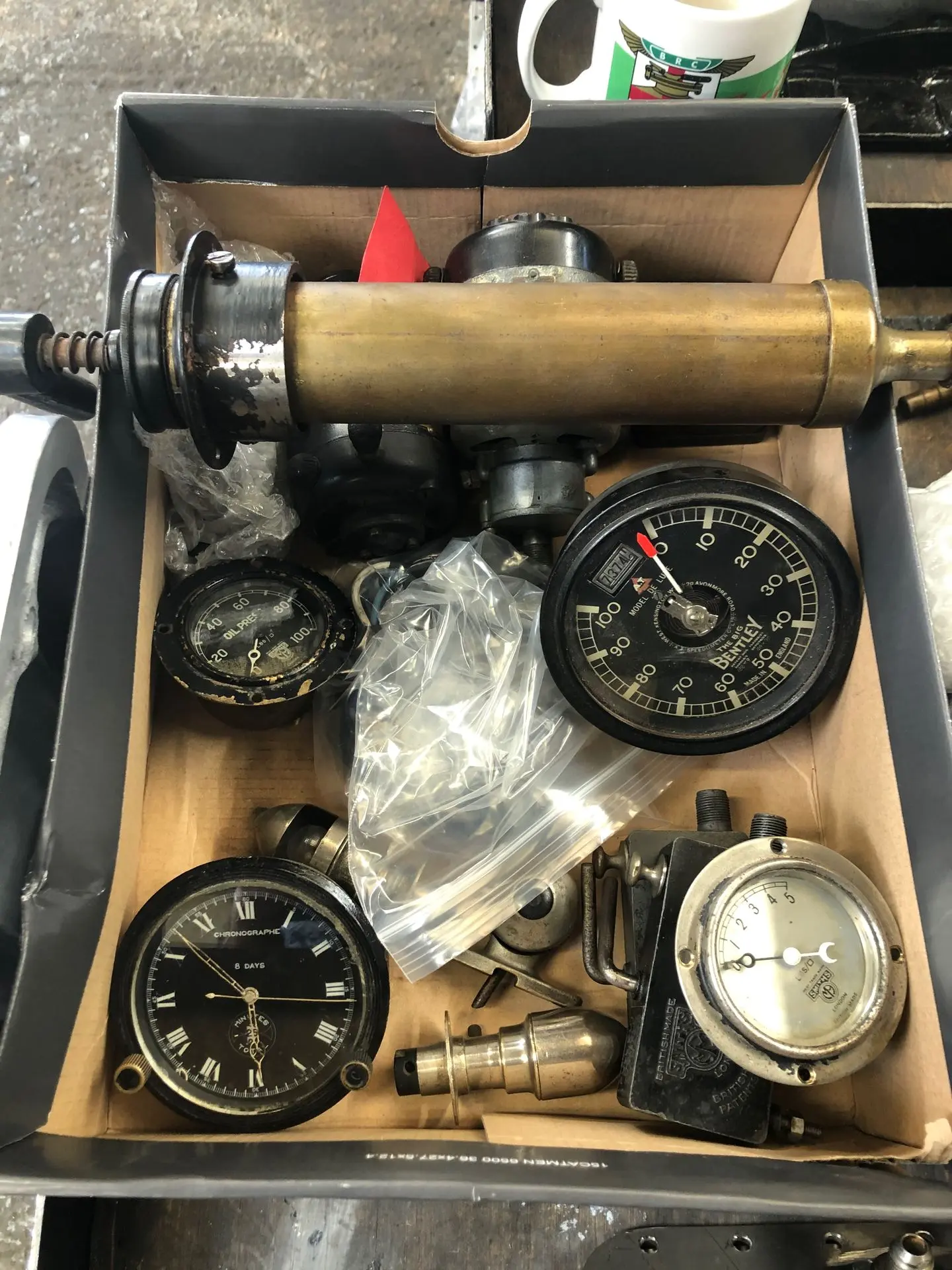
Sourcing the instruments proved both time-consuming and expensive. The majority are genuine period instruments, individually sourced, restored and calibrated before being assembled into a coherent set. They cost a small fortune and took considerable patience to assemble. The result, however, justifies the effort. The dashboard now has the authenticity, depth and visual authority that a car of this character demands.
The Instruments
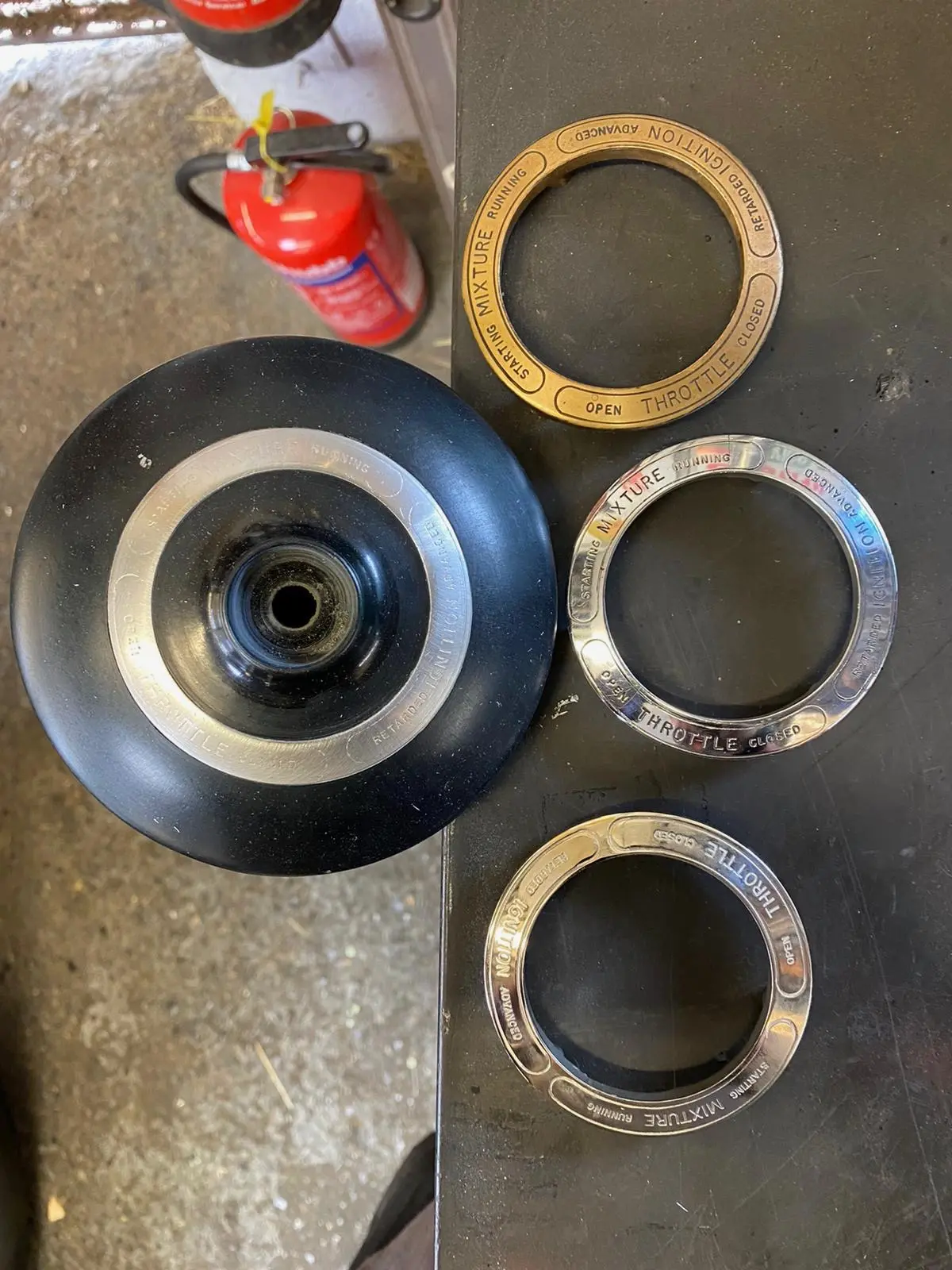
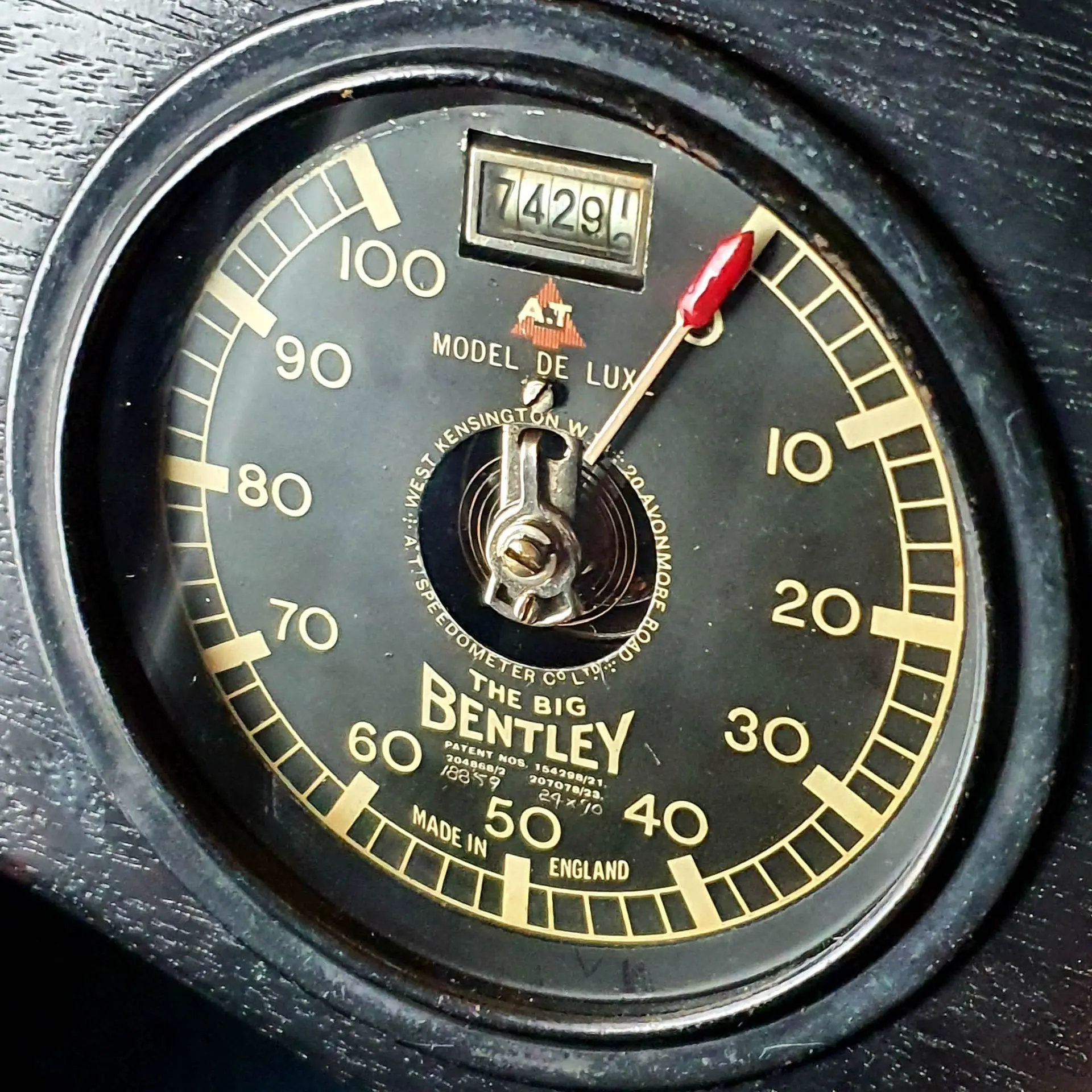
- The 'Big Bentley' AT Model de Lux Speedometer and Rev Counter
- Eight Day Jaeger Chronographic 29 minute Black Dial Clock
- Cambridge Water Temperature Gauge
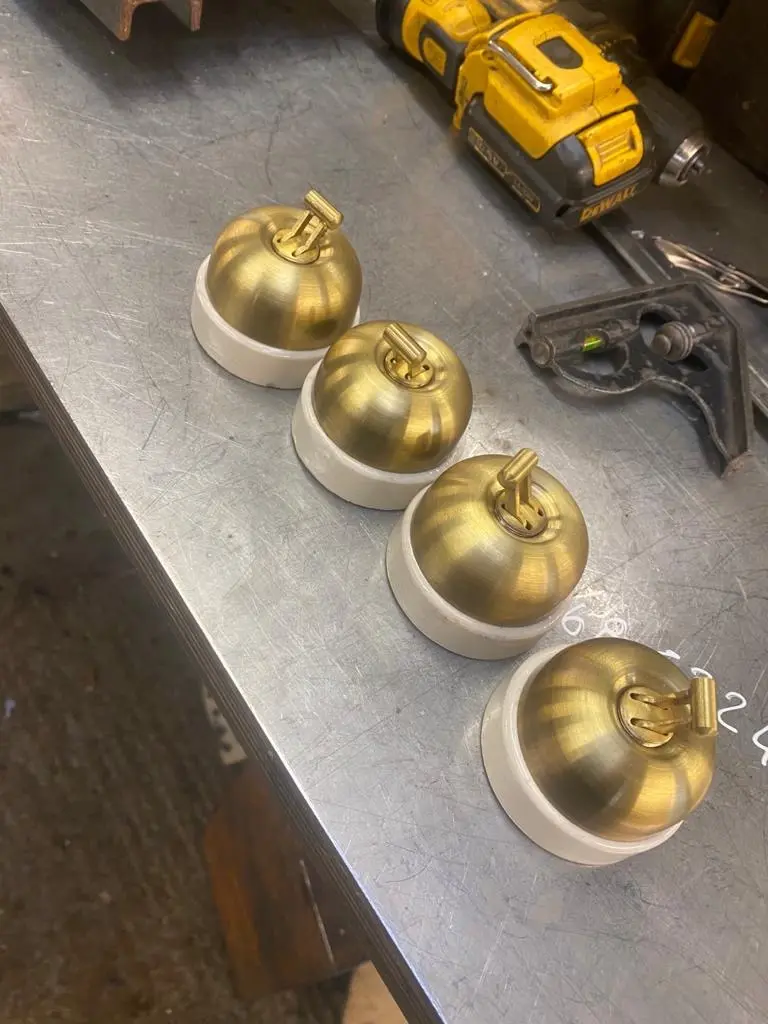
- Smiths Starter Switch
- Weston Ammeter
- Smiths Fuel Gauge
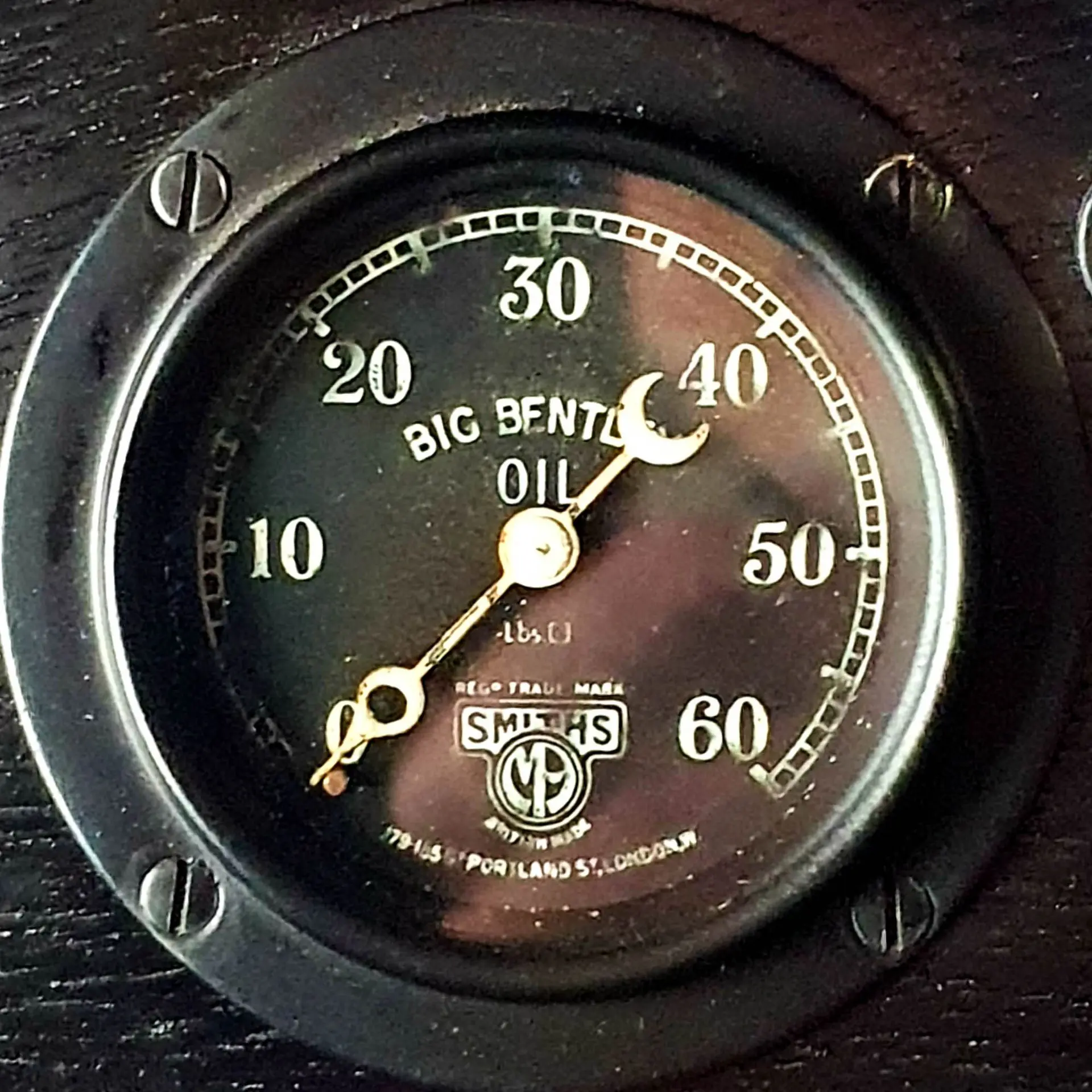
- Smiths 'Big Bentley' Oil Pressure Gauge
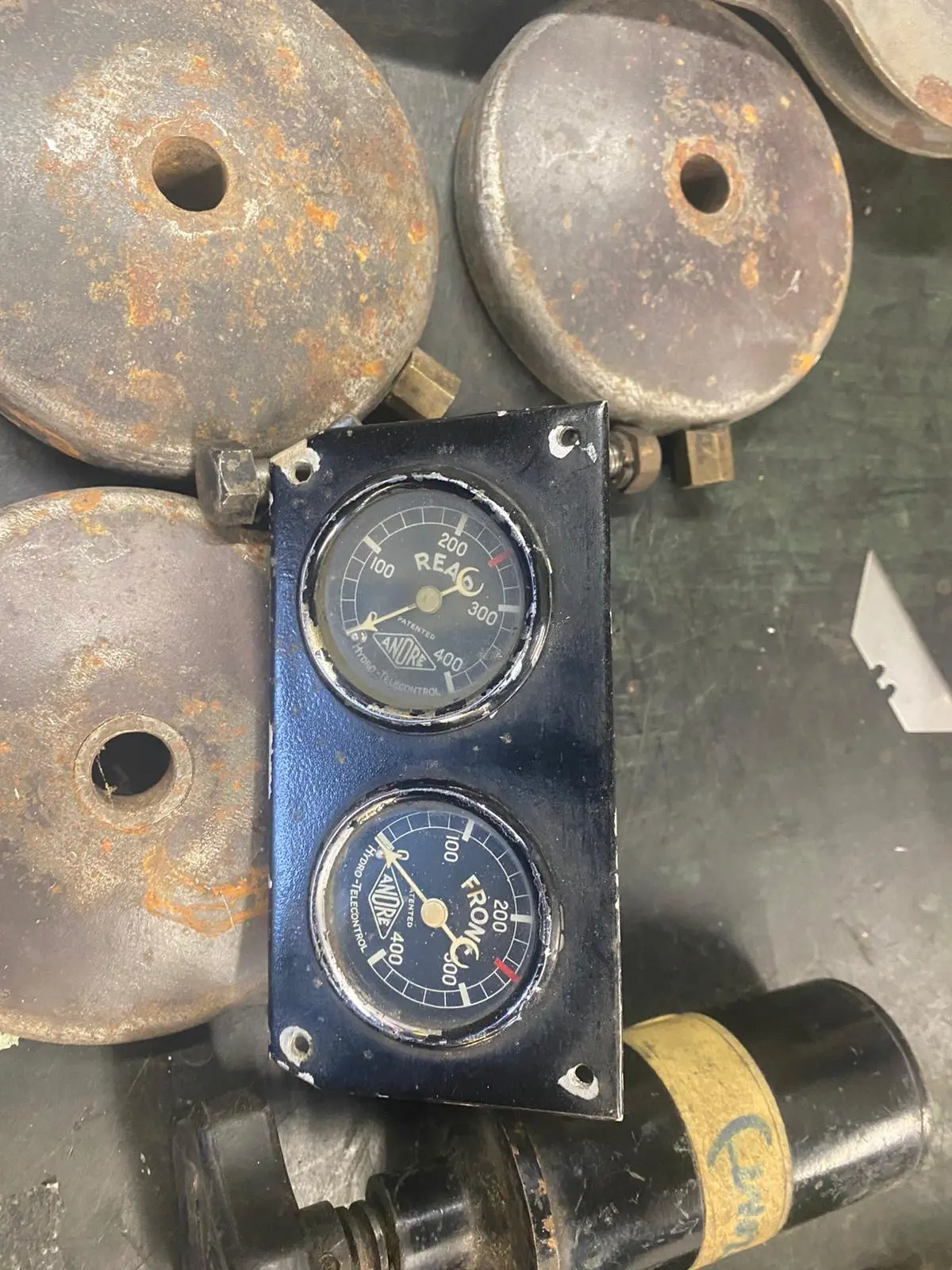
- André Hartford Telecontrol suspension gauges
- Two restored period Smiths wiper gearboxes and a Klaxon wiper motor
Final details
Final details included leather gaiters for the handbrake and gear lever, poppered rather than screwed for ease of access, leather trimming to the A- and B-posts and around the top of the dashboard, and discreet draft exclusion wherever possible around doors, windows and pillars.
The result is an interior that feels entirely coherent with the rest of the car. Every decision was deliberate and every detail considered. It may have been expensive and occasionally exhausting, but it delivered what we set out to achieve: a newly created interior rooted in traditional materials and craftsmanship, with the comfort and practicality required for the way YF2186 is actually used.

To install this Web App in your iPhone/iPad press
 and then Add to Home Screen.
